

























































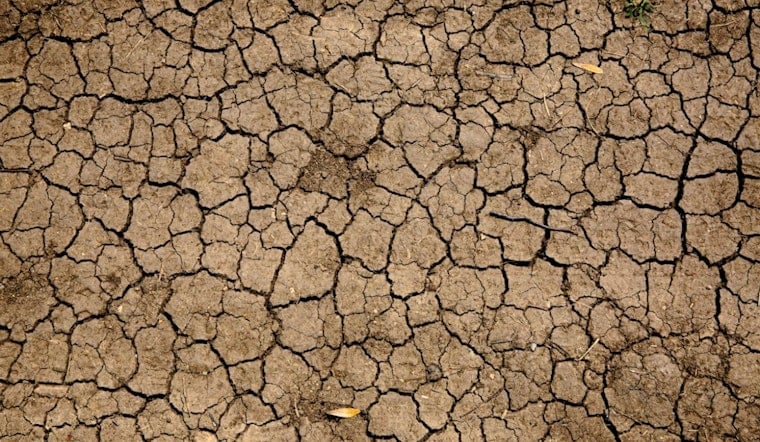
Michigan’s swamp forests, the low, tree-canopied wetlands that lace river corridors and Great Lakes shorelines, are quietly shrinking across the state, researchers warn. Field teams are spotting vanishing standing water, dying canopy trees, and a surge of invasive plants that are turning wooded swamps into open marsh or scrub, stripping away habitat that many local species depend on.
Teams from Central Michigan University have been tracking those changes at coastal and inland sites, including a swamp in Shelby Township where students and technicians recently sampled soils and vegetation during fieldwork. As reported by The Detroit News, those visits are part of a long-running, basin-wide monitoring effort that follows Great Lakes coastal wetlands. Central Michigan University notes that the program relies on standardized methods and years of data to tease out trends in wetland condition across Michigan and the wider basin.
Why Scientists Are Alarmed
The concern is not limited to a few soggy trail loops. Roughly half of Michigan’s historic wetlands have already disappeared, and those losses line up with declines in birds and other wetland-dependent species, researchers say. “They're an indicator species telling us that something is up in our environment and we need to pay attention,” Marnie Urso of Audubon Great Lakes told WCMU Public Media.
On The Ground: What Surveys Show
Basin-wide monitoring coordinated by CMU and partner agencies has recorded slipping plant diversity, shifts in hydrology, and the spread of aggressive invasive plants like Phragmites in some basins, changes that nudge swamps toward marshy conditions. The binational Great Lakes coastal wetland monitoring program and its technical reports tie those patterns to development, altered water levels, and nutrient inputs, according to the International Joint Commission.
Local Example: River Bends Park
The hardwood-conifer swamp at River Bends Park in Shelby Township has long been one of the area’s pockets of native wetland habitat, a shady, waterlogged counterpoint to nearby subdivisions. Trail maps and park guides warn that the park’s “swamp loop” can be flood-prone and seasonal, and recent monitoring crews have documented exposed roots and shifts in vegetation that hint at a system in flux. Park materials and local guides describe the swamp habitat, and fieldwork at the site was highlighted in coverage by The Detroit News and Shelby Township's park pages.
State Response And Next Steps
At the policy level, lawmakers and conservation groups are moving to strengthen protections for rare wetland types after state inventories flagged forested wetland communities in decline. Rep. Julie Brixie introduced legislation on April 22 to add rare and imperiled wetland categories to state protections, according to Michigan House Democrats, and researchers say long-term monitoring and tighter mitigation rules will be crucial, according to Central Michigan University.
Scientists emphasize that losses can be slowed or even reversed with restoration work, protective buffers, and restored hydrology, but that kind of turnaround takes sustained funding and political will. The Michigan Natural Features Inventory notes that many forested wetland community types are vulnerable and require intact hydrology and protective buffers to survive, underscoring why researchers say Michigan’s swamp losses deserve urgent attention.




