

























































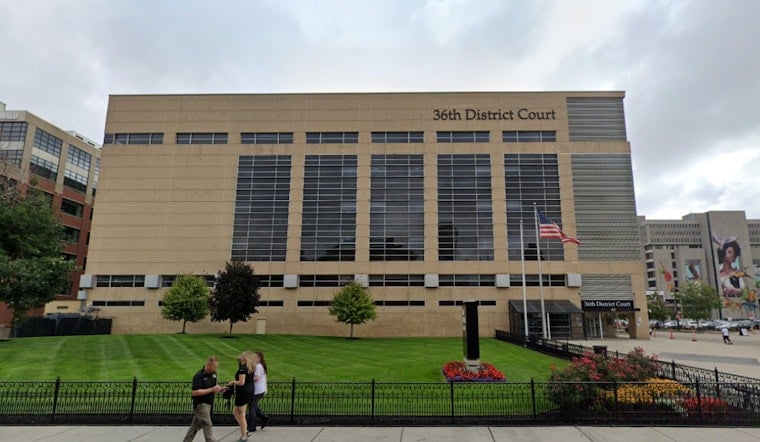
A Detroit tenants’ group is taking the city’s busiest housing court to task, filing suit today against the 36th District Court and accusing judges of signing off on eviction judgments without first verifying whether landlords have the city’s required Certificate of Compliance. The complaint argues that this practice lets landlords who are out of step with basic health and safety rules win cases and remove renters, undercutting protections in the city’s rental ordinance and potentially affecting thousands of eviction proceedings.
What the suit alleges
The lawsuit, first detailed by the Detroit Free Press, asks judges to require proof of a city-issued Certificate of Compliance before entering judgments in landlord-tenant cases. According to the tenants’ group cited by the Free Press, only about 14% of Detroit rental properties currently meet the certificate requirement, a shortfall plaintiffs say has left renters without the legal protections the ordinance promises. Without a pre-judgment check, the complaint argues, tenants who are legally allowed to withhold rent or pay into escrow lose a key defense when they are sued for nonpayment.
What the court's rules say
On paper, the 36th District Court’s own filing guidance tells landlords that when they bring summary proceedings, they “will be asked to provide a copy of your City of Detroit issued Certificate of Compliance” and warns that failing to produce the document “could negatively impact your case,” according to the 36th District Court. The same page notes that tenants who raise Certificate of Compliance defenses may be asked if they paid rent into an escrow account. Advocates say that despite those written rules, certificate checks do not reliably happen in the courtroom.
Data and advocates' complaints
Independent research and local reporting describe a persistent gap between how the ordinance is supposed to function and what actually unfolds in eviction court. Analysis by The Eviction Machine, which links 36th District dockets to city records, finds that a large share of filings involve properties without valid Certificates of Compliance. Reporting by BridgeDetroit found that after July 2021, only about 16% of filings were for code-compliant properties, and that many bailiff evictions were authorized without proper certification. Advocates say that the pattern effectively lets landlords use the courts to sidestep the city’s rental safeguards.
City law and rent escrow
Detroit’s rental ordinance, Section 8-15-82, makes it unlawful for an owner to collect rent from a unit that lacks a valid Certificate of Compliance and allows tenants to deposit unpaid rent into escrow while a landlord works to secure certification, as set out in the City of Detroit. The ordinance spells out remedies and limits on what landlords can collect, and plaintiffs say the court’s failure to consistently insist on Certificates of Compliance undercuts that entire framework. That statutory backdrop is central to the tenants’ argument that courtroom practice should line up more closely with local law.
Legal stakes and what’s next
If a judge ultimately grants the relief tenants are seeking, the court could be ordered to hold off on entering judgments until Certificate of Compliance status is verified, a shift advocates say would better protect renters and push for tighter coordination between the court and city inspectors. The 36th District Court’s general counsel has previously acknowledged “a lot of confusion” around Certificates of Compliance and said the court currently “does not have a policy regarding Certificates of Compliance,” according to BridgeDetroit. Lawyers for the tenants and court officials are expected to clash over procedural motions in the coming weeks.
The new lawsuit drops into a system already strained by aging housing stock, limited inspection resources, and a crowded eviction docket. For Detroit renters, it becomes the latest test of whether local laws promising safety standards and escrow protections can actually be enforced where it counts: in court.




