

























































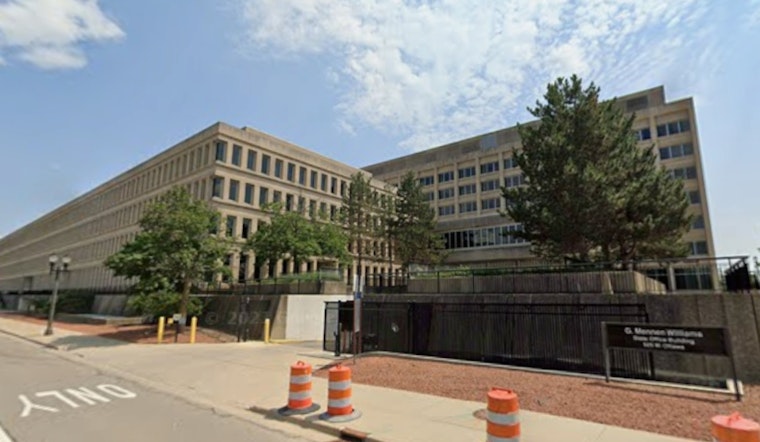
High above downtown Detroit yesterday, a Michigan attorney-discipline panel took up the long-running fallout from lawsuits that tried to undo the state’s 2020 presidential results. On the hot seat: a group of lawyers that includes Sidney Powell and Gregory J. Rohl, all facing questions about whether their effort to overturn Michigan’s vote crossed clear ethical lines. The hearing unfolded on the 17th floor of the office building that houses the state discipline board, the latest chapter in years-long scrutiny of litigation many judges and officials have slammed as baseless and corrosive to public confidence in elections.
According to The Detroit News, Thursday’s proceedings revisited filings made in late 2020, with the panel once again combing through allegations that have now been hanging over the state for nearly 2,000 days. The report noted that Michigan’s disciplinary machinery has moved in fits and starts, but is now grinding forward in a more public way.
The state’s case centers on a formal complaint from Michigan’s top elected officials, who accuse several lawyers of signing and circulating court pleadings that “cast unwarranted doubt” on the results of what they describe as free and fair elections. In a detailed submission, the Attorney General’s office laid out dozens of allegedly false statements and urged disciplinary authorities to consider penalties as severe as suspension or disbarment for attorneys found to have breached professional rules.
A Michigan Attorney Discipline Board notice lists Gregory J. Rohl, Richard S. Hagerstrom, Julia Z. Haller, Brandon C. Johnson, Sidney Powell, Howard R. Kleinhendler, and L. Lin Wood as respondents and sets an in-person hearing at the board’s Detroit offices. The order directs the parties to exchange witness and exhibit lists ahead of the session at 333 W. Fort St., Suite 1700, as part of a formal process overseen by a three-attorney hearing panel.
What The Board Can Do
The Attorney Discipline Board and the Attorney Grievance Commission have broad authority to police the profession, with tools that range from public reprimands to lengthy suspensions or permanent disbarment, depending on what a hearing panel concludes. Public materials from the oversight agencies spell out the complaint, hearing, and appeal stages and note that any final discipline order is subject to review by the Michigan Supreme Court. For anyone keeping score at home, the board also posts its notices and orders online for public inspection.
Why It Matters Now
Supporters of discipline argue that the proceedings are fundamentally about rebuilding trust after litigation that federal judges said lacked a sound evidentiary foundation and helped feed election-related conspiracy theories. Michigan officials have stressed the timing, saying the challenged filings did not just contest a single race but helped fuel a national “stolen election” storyline that continues to cloud public faith in the voting process, a theme repeated in state filings and local coverage.
Legal Implications
Federal courts have already sanctioned some of the lawyers tied to the 2020 cases, a track record that the state’s complaint cites as evidence of professional abuse and as support for potentially tougher discipline at the state level. Under Michigan’s rules, the board may weigh discipline imposed elsewhere and, when it sees fit, move to place an attorney on inactive status or seek disbarment within Michigan.
The hearings are expected to continue as the panel works through witness testimony and documentary exhibits. Any final orders will be made public by the Attorney Discipline Board, which maintains an online docket and issues notices as each case inches toward a final resolution.





