

























































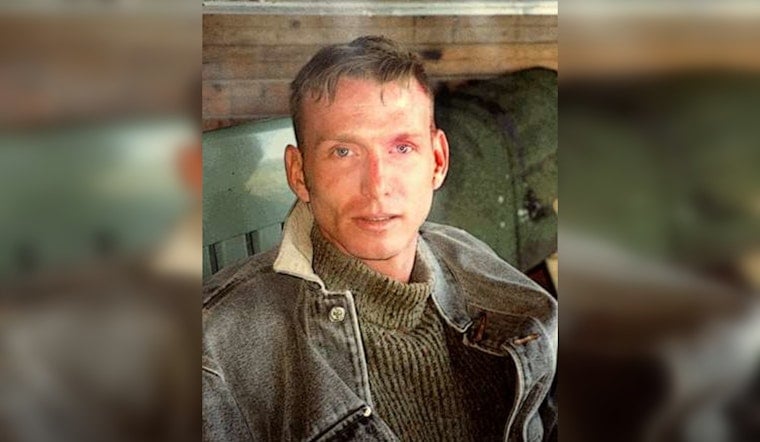
Nearly two decades after a Las Vegas man was found strangled in his own apartment, a fresh DNA break has pushed the long-stalled case back into the spotlight, pointing investigators toward a suspect who died years ago.
Daniel Zeisler was discovered dead inside his apartment on Dec. 29, 2005. Investigators say he had been strangled with a telephone cord. For years, the trail ran cold. Now, Metro detectives say modern DNA work on evidence from Zeisler’s abandoned car has linked the case to a relative of a potential suspect, nudging the homicide closer to resolution even though no arrest will ever be made.
On Dec. 29, 2005, an apartment manager reported a foul odor at 821 N. Bruce Street, Apartment 1, and Las Vegas Fire and Rescue personnel found Zeisler’s body inside. Detectives determined he died from strangulation with a telephone cord, and that his 1997 Dodge Neon and the keys to his home were missing. The car turned up weeks later in Memphis on Jan. 19, 2006 and was processed for evidence, according to Las Vegas Metropolitan Police Department records.
Forensic teams eventually pulled a usable DNA profile from the Neon, but the sample did not match any existing profiles in standard law enforcement databases. Investigators then sent the DNA to the forensic genetics company Othram for deeper analysis. According to CBS News, Othram’s work led detectives to a relative of a person they now believe was involved in Zeisler’s killing. That individual, lab officials said, died in 2020, closing the door on any potential charges even as the case file gains a long-sought name.
Detective Pushed To Reopen The Probe
The new momentum did not happen on its own. Las Vegas homicide detective Tate Sanborn said in a 2024 podcast that he pushed to pull the old file off the shelf after reviewing the evidence and deciding it still had legs. Sanborn told listeners the case had not been actively worked for roughly 20 years and recalled urging colleagues to “fire it back up” during an appearance on Badge and Beyond. That extra nudge helped keep the killing on investigators’ radar until more advanced testing became available.
Evidence From The Abandoned Car Built The Lead
When Zeisler’s Dodge Neon was recovered and processed, forensic analysts were able to develop a DNA profile from material in the vehicle. That profile later proved suitable for genealogical searching, which is what ultimately opened the new investigative lane.
Detectives had another key piece in hand from early on. Surveillance footage captured an unidentified white man using Zeisler’s bank card after the killing. The video shows a man in a maroon hoodie and jeans who matched a description circulated at the time. That image, combined with the DNA lead from the car, remains part of an active investigative push as Metro continues to ask for public tips, according to department records.
What The Breakthrough Shows
The Zeisler investigation has become one more example of how forensic genetic genealogy can breathe life into files that once seemed destined to gather dust. By building out family trees from degraded or partial DNA, specialized labs can steer detectives toward likely suspects or unidentified victims who were far beyond the reach of traditional testing.
Labs such as Othram have assisted in cold cases across the country, helping police identify suspects and victims that had gone unnamed for years, according to Othram. Local detectives say that even when a suspect is already dead and prosecution is off the table, putting a likely name to a case can still deliver long-delayed answers to families.
In Zeisler’s case, police say the file remains open while detectives chase down leads generated by the new genetic work.
What Happens Next
Because the person tied to the DNA reportedly died in 2020, Metro detectives say criminal charges are not an option. Still, the identification is considered significant to Zeisler’s loved ones and to the official record of what happened back in 2005.
Metro’s Homicide Section is asking anyone with information to call (702) 828-3521. Investigators say tips could help reopen additional lines of inquiry or confirm details already in the case file. The department also says it plans to continue working with partner labs and community groups to bring long-running investigations like Zeisler’s as close to closure as the evidence will allow.





