

























































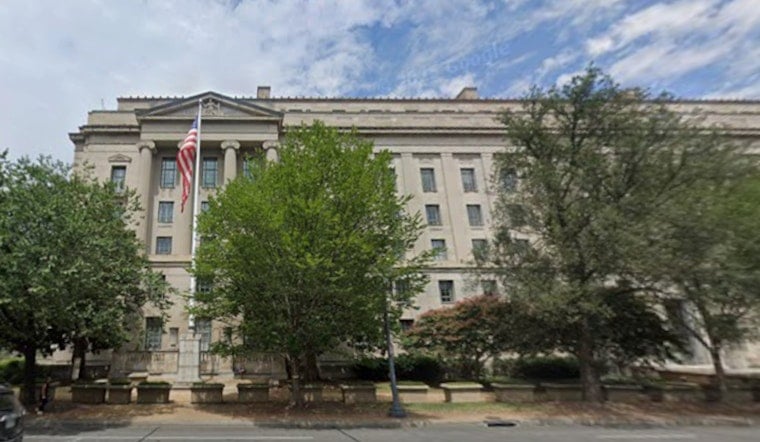
The Justice Department has quietly eased off the Election Day "command center" that for years operated in Washington, D.C., as a 24-hour hub for federal help on voter intimidation, disinformation and other election emergencies. Former prosecutors and state officials say that retreat, combined with canceled trainings and changes to internal guidance, could leave gaps in federal coordination ahead of the November midterms. The moves have alarmed lawmakers and election lawyers who argue that the department’s posture matters most when ballots are being cast and counted.
Latest reporting
As reported by Times of San Diego, sources who spoke with NOTUS say DOJ canceled its biannual in-person trainings at the National Advocacy Center, scrubbed a planned in-person session this spring and pulled an online course that had been scheduled for mid-July. The same reporting says the department has not stood up the command-center shifts at FBI headquarters that once took calls and routed fast-moving election problems to prosecutors and agents. The story also notes that DOJ removed a long-used 281-page manual on prosecuting election offenses, and that NOTUS posted a copy to DocumentCloud for review. "That's really concerning," Ryan Crosswell, a former public-corruption prosecutor, told Times of San Diego, and the department told the paper its top priorities are "ensuring the integrity of U.S. elections and protecting Americans against voting fraud and civil rights violations," adding that it had appointed District Election Officers in each district.
What DOJ materials show
The department’s own public pages still describe an Election Crimes Branch and the monograph that prosecutors once consulted, but the materials now point to updated guidance rather than an obvious, downloadable manual. The branch page highlights the District Election Officer program and the branch’s role advising local U.S. attorney offices nationwide, and the Justice Manual now carries a bold note suspending the old consultation requirement while that section is revised. See the Department of Justice Election Crimes Branch page and the Justice Manual for the updated language.
Who’s raising the alarm
Senate Democrats pressed the department for answers in a letter reported by Democracy Docket, warning that removing the manual and shelving established preparations "continues to raise the alarm" about partisan interference. State election officials and former DOJ attorneys told reporters that the combined effect is a thinner, less centralized resource for prosecutors who once relied on a headquarters backstop to navigate sensitive, election-time decisions.
Background: resignations and shifts
The changes follow a wave of departures that gutted the Public Integrity Section after senior officials pushed to dismiss a high-profile prosecution last year, reporting by The Washington Post shows. Those exits, which included managers who supervised election work, left fewer experienced lawyers available to staff any centralized Election Day response.
DOJ response
DOJ officials told reporters they view election work as a priority and said local prosecutors will have District Election Officers to handle complaints on the ground. Agency materials still list channels for reporting election threats, but former officials say a standing command post, and the training that feeds it, provides a consistency that ad hoc district responses do not.
Legal implications
Removing formal consultation steps and trimming the Public Integrity Section raises questions about how uniformly election-sensitive investigations will be handled across districts. The Justice Manual still bars timing investigative steps to affect an election, but without centralized training and a ready command center, the burden falls to dozens of U.S. attorneys’ offices to interpret and apply that rule consistently.
What to watch
With the midterm elections scheduled for Nov. 3, 2026, federal, state and local officials will be watching whether DOJ restores the command-center function, reboots training, or clarifies the role of District Election Officers. Senate oversight and follow-up demanded in the letter noted by Democracy Docket set an early expectation that the department explain its plans before the voting season intensifies.



