

























































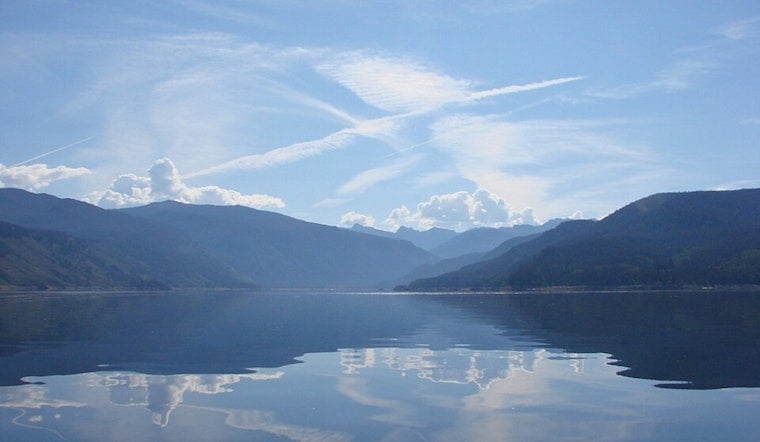
A drone reel shared late last month by the Upper Colorado Watershed Environment Team has locals doing a double-take at Lake Granby. The flyover shows long, exposed beaches and a noticeably low water line at Colorado's largest storage reservoir in the Colorado-Big Thompson system, just as the state heads into the hottest part of the year. For a reservoir that serves as a key cushion for Front Range deliveries, the stark visuals are a reminder that a historically warm, dry winter has left very little wiggle room.
Federal readings match the video
Federal HydroMet records show Lake Granby sitting at roughly 65 percent of capacity as of June 6, a level that lines up uncomfortably well with what viewers spotted in the reel, according to U.S. Bureau of Reclamation data. The reservoir's full pool is about 540,000 acre-feet, per Northern Water, which means current storage leaves less backup water to cover a weak runoff season. That shortfall is what has residents and water managers talking about a fragile supply outlook heading into summer.
Runoff outlook remains thin after a warm winter
A May outlook warned that statewide snowpack was tracking at or near record-low values and that the May to July inflow forecast for Lake Granby was sitting near 36 percent of median, signaling limited natural refill, according to NRCS. An early melt and warm March temperatures pushed runoff ahead of schedule in many basins and left less snow available to feed reservoirs this spring. Put together, those factors raise the odds that managers will have to lean harder on stored water and tighten conservation measures if hot, dry weather hangs on.
Managers are carving out a buffer
In April, the Northern Colorado Water Conservancy District board set the Colorado-Big Thompson quota at 80 percent for 2026, aiming to balance near-term deliveries with longer-term storage needs, according to Northern Water. "We have run the C-BT Project very cautiously and conservatively," board member Jennifer Gimbel said, stressing a preference to preserve flexibility if conditions slide downhill. Even so, officials note that quotas and stored reserves can only stretch so far without a decent shot of runoff.
What Front Range users should expect
Municipal suppliers are already shifting into drought mode. Denver Water declared a Stage 1 drought on March 25 and is urging a 20 percent cut in use while rolling out temporary drought pricing for outdoor watering, according to Denver Water. The move signals that utilities are bracing for a summer when storage at places like Lake Granby may not fully cover for weak snowmelt. If dry weather continues, residents and irrigators could see earlier watering restrictions, steeper rates for heavy outdoor use, or tighter agricultural allocations.
What to watch this summer
The drone reel and the anxious response to it are a blunt reminder that reservoirs matter, and right now the cushion at Lake Granby looks thin, as first reported by The Cool Down. Officials say the key variables to watch in the coming weeks are any late-season storms that might goose inflows, the actual volumes of runoff that arrive, and how managers choose to allocate stored water through the peak of the heat.





.jpg)