

























































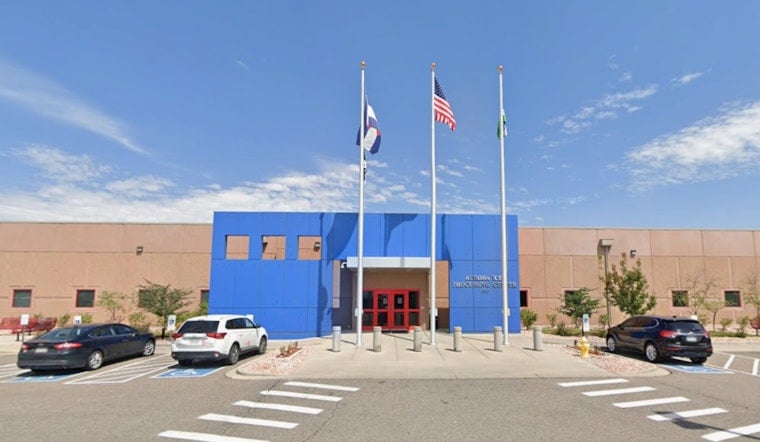
University of Denver students spent months inside the immigration court at the Aurora ICE facility, quietly logging what they saw. After hundreds of initial and bond hearings, their tally pointed to a system where people in detention often had little practical shot at staying in the country. The work, students say, was emotionally draining, even as they clung to the hope that their data might force more transparency and oversight.
Researchers with the Court Transparency Project sat through roughly 450 initial hearings and 111 bond hearings over a six-month span and found that about 34% of detainees had filed for relief. Not a single person in that group won a claim for relief, according to The Denver Post. Students also documented government missteps such as unfiled paperwork and lapses in tracking where detainees were in the process, and say judges declined to set bond in a large share of the hearings they observed. In an email cited by The Denver Post, an ICE spokesperson said detained immigrants could seek release by requesting a free flight home and a $2,600 exit bonus, and that Homeland Security was working “rapidly and overtime” to remove people from detention.
What the students set out to do
The project is led by University of Denver professor Rebecca Galemba and is part of a broader campus effort to examine due process in immigration courts. The team built an interactive dashboard and published case notes so that raw observations are available to advocates and researchers, according to the University of Denver. The Courtwatch site lays out the methodology students used to observe hearings, code procedural errors, and share findings with partner organizations.
Procedural gaps that change outcomes
Students say their notes revealed a run of procedural problems that can decide whether someone is allowed to remain in the United States. Judges said they lacked jurisdiction in many hearings and, in some cases, required Department of Homeland Security forms were missing from the file. The team documented 12 cases involving missing I-286 paperwork. Their tally showed judges did not set bond in nearly 75% of bond hearings the researchers attended, a pattern the project argues raises urgent due process concerns, according to The Denver Post.
Students involved in the work described it as both emotionally heavy and, at times, rewarding. Project staffers, including Ella Iveslatt and graduate researcher Jennifer Gutierrez Marquez, helped design the dashboard and collect case data. The DU Courtwatch Project site compiles the team’s reports, codebook, and raw datasets so community partners and attorneys can follow specific hearings and trends. The project is publicly accessible on the team’s website at DU Courtwatch Project.
The Aurora detention complex is operated by private prison company GEO Group, which has made the facility a regular target of local reporting and advocacy. Colorado Newsline and other outlets have chronicled complaints about conditions at the site, and Christina Brown, founder of the Colorado Asylum Center, is among local advocates who say the DU data highlights why more legal representation and outside oversight are needed.
Legal stakes and next steps
The DU team argues that clerical errors, missing forms and skipped bond determinations can add up to de facto denials of due process when respondents have little time or legal help to present their cases. The Courtwatch database and related publications are already being used by local advocates and researchers to press for audits, clearer procedures, and better tracking of detained people’s legal status. Those resources remain available on the project website.
For now, the students stress that their role is documentation, not litigation. They see their work as a public record of what happens inside the courtroom and a tool for community partners who want evidence to seek change. The University of Denver team says it will keep tracking hearings and sharing updates with legal clinics, advocacy groups, and policymakers.





