

























































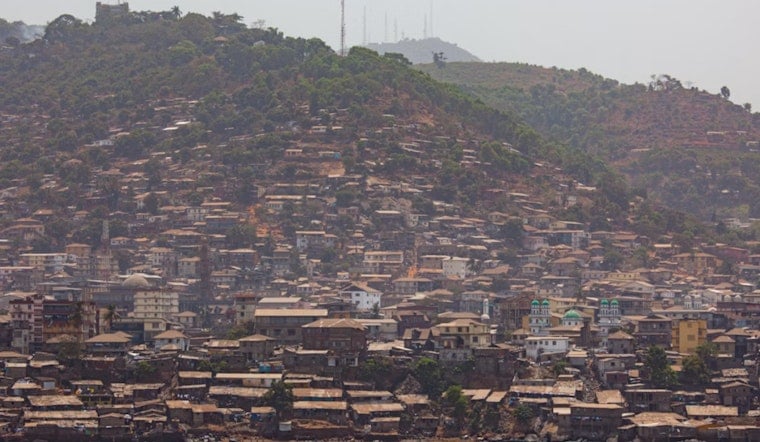
Asylum seekers flown out of the United States to Sierra Leone this spring now find themselves staring at the possibility of a second deportation, rights lawyers and advocates warn. Many of those transferred under a U.S. third-country program had already won legal protections in American immigration courts, yet the flights can strip them of any practical way to stop being sent back to the countries they fled.
Latest Arrivals and What Migrants Were Told
About a dozen people deported from the U.S. touched down in Freetown on Thursday, the second deportation flight after nine arrived last month, according to AP News. Lawyers and documents reviewed by AP say the migrants were given a briefing pamphlet that described Sierra Leone as a “temporary transit location” and told them that the government and its contractors were working to “return you home as quickly and safely as possible.” In other words, many arrivals were warned that this stopover might only be a short pause before another one-way trip.
What Sierra Leone Agreed To
Sierra Leone’s foreign minister has said the deal with Washington is backed by a $1.5 million grant, and that a local contractor, Kenvah Solutions, was hired to manage reception, housing, healthcare and onward transfers, AP News reports. According to the ministry, the program is capped at 25 deportees per month and 300 per year, although officials have not said how long the agreement is supposed to last, leaving the overall scope of the arrangement unclear.
Rights Groups Say the Deals Put People at Risk
Advocates argue that the U.S. practice of sending people to third countries can amount to unlawful “refoulement” if those governments then return migrants to places where they face persecution. Human Rights Watch has urged African governments to reject opaque removal deals and to allow independent monitoring of any transfer arrangements they sign with Washington. Lawyers have also started testing the issue before regional rights bodies. An international coalition recently filed a case at the African Commission on Human and Peoples’ Rights accusing Equatorial Guinea of sending deportees back to dangerous home countries, Al Jazeera reported.
Legal Questions and Where Things Stand
Attorneys say these transfers undercut U.S. court orders that had already found some migrants faced a credible risk of persecution if returned. In earlier cases, people who won protection in U.S. immigration proceedings were later detained or sent back to their home countries after being moved to third states, as previously reported in coverage of transfers to Eswatini and elsewhere. The Guardian and rights groups note that regional human rights institutions can issue provisional measures in such cases but have limited enforcement muscle, leaving people to navigate slow, grinding legal processes while deportees remain exposed to immediate risks.
What to Watch Next
With Sierra Leone committing to accept a capped number of arrivals, advocacy groups say the coming weeks will reveal whether the country treats these transfers as brief transit stops or uses them as a pathway to send people back to their states of origin. Observers and lawyers say they are watching closely for signs of additional flights, any repatriations to home countries and fresh legal challenges. Similar transfers to places like the Central African Republic have already triggered urgent questions from counsel and human rights monitors. CBS News and rights organizations warn that the same pattern could easily repeat unless governments disclose the terms of these deals and allow genuine independent oversight.





