

























































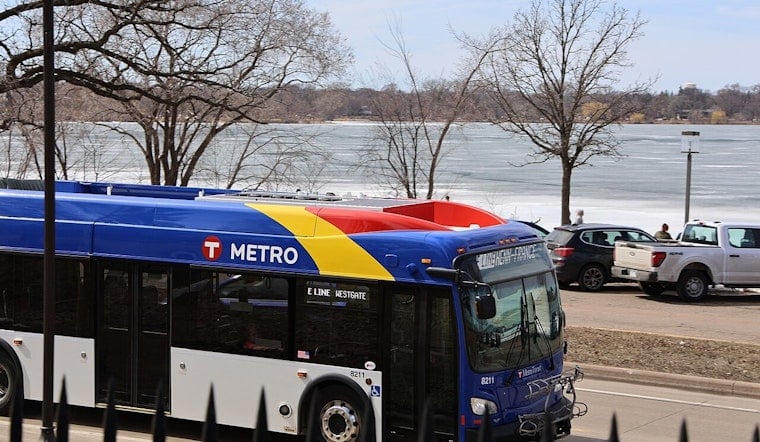
Six months after the METRO E Line started rolling between Edina’s Southdale and the University of Minnesota, the new bus rapid transit route is already changing how people move through south Minneapolis and Uptown. Riders and neighborhood business owners say the corridor feels noticeably livelier than it did during the long stretch of street work, and some shops are giving credit to the line’s quicker, more frequent service. The E Line took over for the long-running Route 6 when it launched in December.
Ridership tops projections
Metro Transit says the E Line is averaging about 5,600 rides a day, roughly double the 3,000-a-day figure planners first expected, as reported by FOX 9. Drew Kerr, a Metro Transit spokesperson, told FOX 9 that riders are asking for service that is "fast, frequent and reliable." The agency also says the route runs every 10 to 15 minutes and uses 60-foot buses along with upgraded stops to speed trips compared with the old Route 6, according to Metro Transit.
Construction pain, then payoff
Building the upgraded stops and street improvements took longer than many business owners anticipated, and some shops around 50th & France and in Linden Hills reported steep drops in revenue during that period, with sales down an estimated 40% to 60% in some cases, as reported by the Star Tribune. Now that the cones and heavy equipment are gone, owners say customers are coming back. Syril McNally, who owns Doug Flanders & Associates Fine Art Gallery, told FOX 9 the area has "bounced back" since construction wrapped up and that new visitors are finding their way in.
What riders actually get
E Line stations come with heated shelters, brighter lighting, security cameras, real-time arrival displays and ticket vending machines, upgrades Metro Transit says are aimed at making trips both quicker and safer, as detailed by Metro Transit. Where it could, the agency also added bus lanes and transit signal priority so buses spend less time sitting in traffic, turning the former Route 6 corridor into a faster and more predictable connection.
Why the numbers matter
Transit planners and business groups say the E Line’s strong early ridership will be closely watched as Metro Transit keeps building out its METRO network in the coming years, a pattern documented by the Star Tribune. The push to add more arterial bus rapid transit across the Twin Cities has come with short-term pain for nearby shops, but local leaders point to gains like the E Line’s early numbers as evidence that the disruption can eventually pay off.
For riders, the new line offers more frequent options for commutes, errands and nights out. For business owners who spent months staring at torn-up streets and detour signs, the early bump in people passing by is a reminder that big transit projects can sting before they sing, and that the full payoff may take a while to show up in the cash register.



