

























































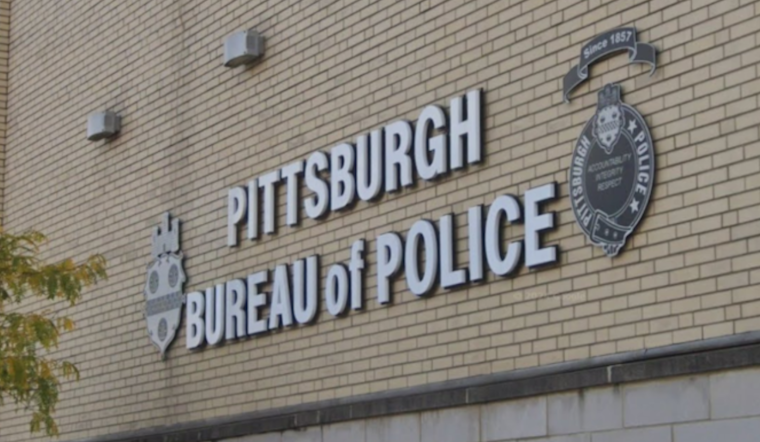
A Pittsburgh police detective is on paid administrative leave while the city digs into questions about his off-duty work at the Target store in East Liberty. The move came after a supervisor took a closer look at off-duty detail records and spotted possible problems with the shifts the officer reported working. City officials have not publicly spelled out the specific allegations.
Probe Centers On Off-Duty Detail Records
According to WPXI, the detective was pulled from duty with pay after a supervisor raised concerns about some of the off-duty details he worked at the East Liberty Target. Sources told investigators the exact nature of the allegations had not been clearly laid out, and reviewers were told the detective’s record was considered unblemished up to this point. The department has not released his name while the internal investigation continues.
City Tries To Rein In Side Jobs And Late Bills
The timing of the suspension lines up with a broader push at City Hall to tighten oversight of police secondary employment and how those private details are paid for. A March city release noted that the backlog of unpaid secondary-employment invoices has been cut significantly, and that officials are working with the private vendor to speed up payments from 120 days to 90 days.
“I want to give credit to Public Safety and Police leadership for working to make sure our taxpayers aren’t footing the bill for private secondary employment,” Mayor Corey O’Connor said in that announcement, according to the City of Pittsburgh.
Same Store, Earlier Off-Duty Scandal
This is not the first time the East Liberty Target has landed a Pittsburgh officer in hot water over off-duty details. In 2024, a police sergeant working the same store was accused of falsifying time sheets for secondary employment there and was charged with theft by deception.
Previous coverage reported that Sgt. Brian Marckiscotto entered an accelerated rehabilitative disposition program and resigned from the force after the case. Investigators alleged he collected nearly $6,000 for hours he never actually worked, according to WPXI.
How Discipline For Officers Typically Plays Out
In Pennsylvania, discipline for police officers usually runs through grievance and arbitration under Act 111. That setup often slows final decisions and sharply limits how much courts can second-guess an arbitrator’s ruling. Judges have repeatedly said arbitration is the default path when a collective bargaining agreement is involved, which means almost any punishment can be challenged and potentially changed by an arbitrator.
That framework is outlined in a recent Commonwealth Court ruling available at Justia, which discusses how disciplinary arbitration functions in practice.
The current inquiry into the detective’s Target detail is still active, and city officials have not given a timeline for when it will wrap up. Depending on what investigators conclude, the case could end with internal discipline, an order to repay money, or a referral for possible criminal charges.





