

























































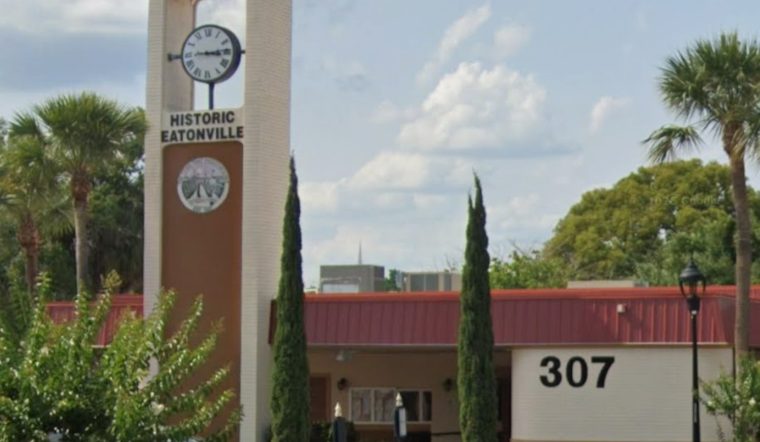
Eatonville officials are weighing a formal transparency push after neighbors started asking pointed questions about a fast-rising data center along Interstate 4. Councilwoman Wanda Randolph is leading the effort, which residents say is meant to force clearer answers about how the project could affect local water and power supplies, as well as the look and noise of the massive building. The debate has turned the small historic town into a counterweight to a large tech development now taking shape near the Wymore Road corridor. Residents have told the town they want information and public meetings before the facility moves into full operations.
The proposed "call to action" would urge the developer to disclose estimates of electricity and water use, expected noise levels, and final design details, according to WKMG ClickOrlando. Council members say the idea is to collect hard data early in the process, then schedule community engagement sessions and a public forum if needed. Randolph told the station the goal is to work with the developer and tackle concerns before they turn into problems for nearby neighborhoods.
What the project looks like
HostDime has long promoted the site as its Orlando-area headquarters and a high-capacity data center, describing plans in past updates as a roughly 90,000 to 100,000 square foot facility on land the company bought from the county school district. The company has highlighted the site's visibility from I-4 and pitched the campus as an economic anchor for the area. HostDime's own announcements and those from its construction partners show the development has hit multiple milestones, even as operational specifics have stayed relatively sparse in public documents.
Town records show a long timeline
Public records show the development agreement with HostDime dates back to 2016 and was amended again in 2024 and 2025 as the company worked toward completion. A town council packet from August 2025 shows officials approved another extension and noted that fines of 250 dollars per day would be assessed until final inspections are satisfied, according to town meeting documents. Council paperwork also connects certain infrastructure reimbursements to specific completion deadlines and earlier amendments.
What the new state law changes
Florida's recent SB 484, approved by the Legislature and signed by Gov. Ron DeSantis in May, gives local governments clearer authority over large-load customers and restricts some permits for water use while limiting the ability of utilities to push grid-upgrade costs onto residential ratepayers. The bill lists July 1, 2026, as the effective date for most provisions and is intended to reshape how communities and utilities handle the demands of big data centers. Supporters say that mix of local leverage and tighter permitting gives towns like Eatonville new tools to press developers for transparency and solid commitments on infrastructure.
Next steps for the council
If the council signs off on the call to action, it would formally request technical data from the developer and lay out a schedule of community engagement meetings and a public forum before taking any final positions, according to reporting by WKMG ClickOrlando. Town officials say formal resolutions and meeting dates will be posted on the town’s official calendar and in council packets. Residents who want to track the process can check the council page for updates and ways to sign up for public comment at the Town of Eatonville Council.
Local context: jobs, promises and worries
Earlier local coverage of the project focused on the economic upside. HostDime said the facility would create construction and permanent jobs, offer free Wi-Fi for residents, and serve as a development anchor, while the town discussed spending up to 200,000 dollars to assist with utility and drainage work near the site, according to WESH. At the same time, neighbors have pressed the council for details about how much water and power the campus will consume and whether nearby rates or supplies could be affected. The tension in Eatonville mirrors a wider debate across Florida over how to handle rapid data-center growth without overloading local services.
The council is expected to take up the transparency proposal at an upcoming meeting. If it moves ahead, residents should see at least one public forum and follow-up technical briefings before any final town action. Whether the push results in binding limits on the project or simply clearer answers will depend on what the developer is willing to disclose and what officials decide to insist on under the new state rules. For now, the small historic town appears headed for a crash course in how big technology projects get negotiated in full public view.





