

























































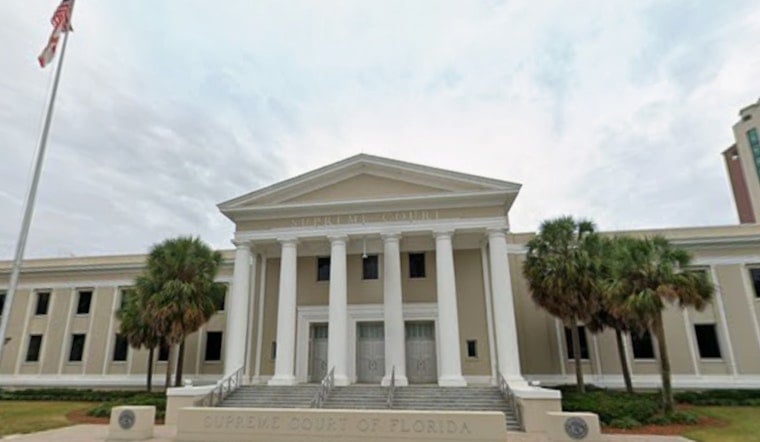
On July 9, the Florida Supreme Court told the state bar it had gone too far when it tried to punish a lawyer over his campaign‑trail attack ads, tossing the proposed suspension and recasting the fight as a First Amendment battle. At the center of the case is Rule 4‑8.2(a), which bars lawyers from making statements, knowingly or recklessly, about the qualifications or integrity of candidates for legal office. With the 2026 election season already warming up, the ruling throws new uncertainty into how far lawyer‑candidates can go when they start throwing political elbows.
What the court held
In case No. SC2020‑0529, the court held that applying Rule 4‑8.2(a) to Christopher Crowley’s campaign statements was unconstitutional as applied, and it rejected discipline tied to those remarks. The opinion stresses that speech about candidates receives the highest level of First Amendment protection and that the rule operates as a content‑based restriction subject to exacting scrutiny. The court’s opinion is available, according to Justia.
How the clash began
Prosecutor‑turned‑candidate Chris Crowley ran in 2018 for State Attorney in the 20th Judicial Circuit against then‑Chief Assistant Amira Fox and repeatedly went after her record and integrity; some campaign materials also referenced her family background. The Florida Bar responded with a formal complaint in 2020, alleging Crowley made statements he either knew were false or made with reckless disregard for the truth during the campaign. Local coverage has followed the long‑running dispute and the Bar’s charges, as reported by FloridaPolitics.
Court's reasoning and free‑speech line‑drawing
The court emphasized that Rule 4‑8.2(a) targets speech based on its content, specifically comments about a candidate’s “qualifications or integrity,” which triggers exacting judicial review. Because the Bar did not identify a compelling governmental interest strong enough to justify disciplining Crowley for the campaign statements at issue, the court refused to adopt the referee’s recommended sixty‑day suspension, even as it accepted other parts of the referee’s report that did not involve speech. The holding and rationale are laid out in the written opinion, according to Justia.
Justice Muñiz urges rule review
Justice Carlos Muñiz filed a separate concurrence suggesting the case “should prompt our Court and the Bar to consider whether to amend the rule” in light of evolving First Amendment doctrine. He agreed with the judgment but signaled that the current version of Rule 4‑8.2(a) may not be the best fit going forward. Muñiz cast his concurrence as an invitation for the court and the Bar to revisit whether the rule, as written, tracks the line the majority drew. The concurrence appears with the opinion on the official website, per Florida Supreme Court.
What this could mean
In practical terms, the ruling narrows the Bar’s room to police campaign rhetoric by lawyers seeking partisan office and hints that broad, content‑based speech bans may struggle to survive constitutional scrutiny. Commentators and Bar summaries have flagged the case as one that could reshape how attorney‑candidates run their campaigns and whether the Bar responds with more targeted enforcement or formal rule changes. Per The Florida Bar.
Next steps
The decision is not necessarily the final word. The court’s order notes that the judgment remains subject to the rehearing period, and the Bar could ask the justices to take another look or instead move straight to pursuing rule amendments. Any push to revise Rule 4‑8.2(a) or to issue narrower enforcement guidance will be watched closely by lawyers eyeing the ballot this cycle. The order specifies that the decision is “not final until time expires to file rehearing motion,” per Florida Supreme Court.


