

























































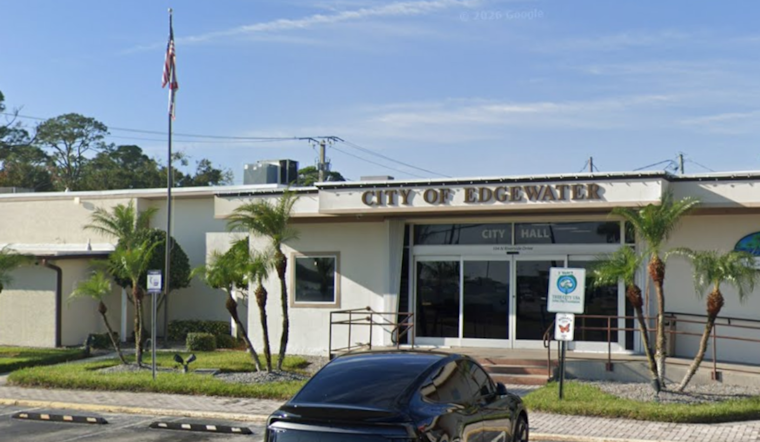
After watching hurricane-fueled storms turn streets and yards into murky canals, Edgewater is trying a more high-tech defense. The city has installed five canal-monitoring devices along residential waterways, a move officials say will give staff a real-time picture of rising water and help them move pumps before neighborhoods go under. Neighbors point to repeated storm damage, including major flooding during recent hurricanes, as the reason officials fast-tracked data-driven tools this season. City engineers stress the sensors are meant to catch problems earlier so crews can act faster, not to replace the bigger, long-term drainage overhauls still to come. The devices arrive just as the city rolls out a long-term stormwater plan aimed at reshaping aging drainage systems.
How the monitors work and what they can do
The five units use a laser light-arc to record canal elevations and transmit live stormwater readings back to city staff every 15 minutes. City Engineer Matt Creel told ClickOrlando that the system can be tied into sirens or warning lights to alert residents and that the data will guide maintenance and pumping decisions. With a continuous feed of elevation readings, crews can see where volume is building and step in before localized backups turn into full-blown flooding. Residents quoted in that reporting recalled homes taking on several feet of water in past storms, memories that helped push the monitoring project over the finish line.
Where the sensors are and who paid for them
The devices were installed on five of the city’s hardest-working canals, including the Orange Tree Drive intersection and the outfall at South Ridgewood Avenue, and crews finished putting them in place in March. Spectrum News lists the specific locations and reports that the purchases were covered out of the city’s general fund. Local reporting also notes a steep price tag of $42,000 per unit, which is why officials started with just five monitors and plan to expand the network only as funding allows.
Master plan links sensors to longer-term fixes
The canal sensors are one early piece of a broader Stormwater Master Plan the city presented at its May 4 council meeting, a roadmap that lays out 25 projects stretching through 2054. City of Edgewater officials say Phase One includes priority work such as the G2/G11 project in Florida Shores, and that more than $100 million in investments have been identified to boost capacity and ease pressure on canals during heavy rain. Staff told the council the incoming monitoring data will help rank which projects move first and will also be used to strengthen grant applications for large construction jobs.
What’s next for residents and officials
Officials are careful to say the sensors are not a cure-all, but a tool to give advance notice and allow more targeted pumping during storms, which could shave off some of the worst localized flooding. Spectrum News notes the city hopes that hard numbers from the system will help unlock state or federal funding to speed up larger drainage fixes. For now, residents like Tamara Henderson remain cautious. She told ClickOrlando that past storms left homes with as much as six feet of water and that insurance premiums have climbed in the aftermath. City officials say any expansion of the monitoring network will depend on where the data shows the greatest need.





