

























































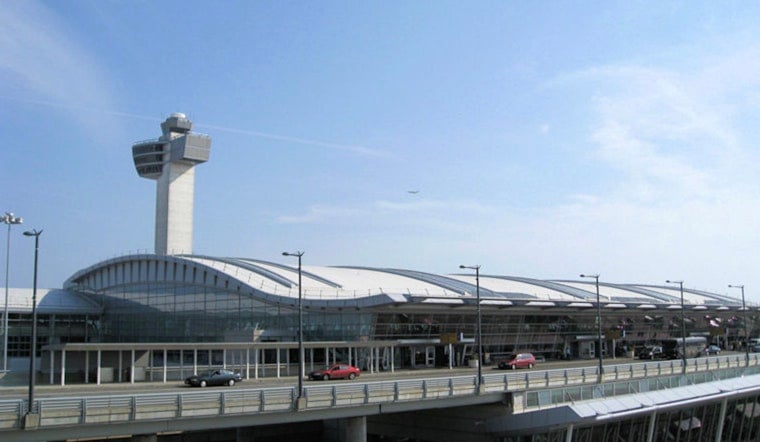
New York airspace is staying on a leaner schedule for a while. The Federal Aviation Administration said Thursday it will keep reduced flight schedules at New York-area airports in place through Oct. 24, 2026, extending caps at Newark and preserving waivers that let carriers run smaller schedules at JFK and LaGuardia. Officials say the goal is to ease congestion while they work through staffing and equipment shortfalls so flights run more reliably.
What The FAA Just Locked In
The move extends existing limits and slot waivers that were first imposed after a string of messy spring disruptions, giving regulators and airlines a clearer planning runway through next fall. According to Reuters, the measures cover the three major airports that serve the New York region and also include related relief for some flights to and from Washington.
Newark Cap And Technical Fixes
At Newark Liberty International, the FAA extended an earlier order and set an amended ceiling that raises hourly movements to 72 operations per hour, up from 68, while still keeping activity below pre-curb peak levels. The extension runs into the 2026 scheduling season and is paired with infrastructure work that is supposed to make the system less fragile.
That work includes a new fiber-optic communications path and a temporary satellite backup for the Philadelphia TRACON to cut the risk of equipment outages that can snarl traffic up and down the East Coast. According to FAA materials, both airlines and the airport operator agreed with the timetable and limits during the public comment period.
Why Regulators Say They Need It
Federal officials frame the caps and waivers as a response to persistent staffing gaps at the New York TRACON and recurring equipment problems that can quickly snowball into widespread delays and cancellations. Reuters reported that airlines pushed for predictability and that regulators are casting the limits as a way to keep the system safer and more reliable while they work on longer-term fixes.
Staffing, Slots And The Long Game
The FAA also renewed a limited waiver of the slot-usage requirement at John F. Kennedy, LaGuardia and Ronald Reagan Washington National. That waiver lets airlines pull back on scheduled flights without losing their historical slot rights for the covered seasons, a key concession in a market where runway access is prime real estate.
The agency’s Federal Register notice shows that N90 (the New York TRACON that handles local approach control) had about 123 certified professional controllers on board, roughly 54% of a 226-controller target. Aggressive hiring and training programs are underway to push those numbers up. In the meantime, FAA documents say some Newark airspace has been shifted to Philadelphia TRACON as part of the short-term workarounds.
How Airlines And Travelers Are Taking It
Airlines, which like certainty almost as much as full planes, have mostly welcomed the move. United’s CEO called the extension “good news” for customers and employees in a message cited by aviation outlets. FlyingMag reported that carriers see the caps as a way to cut down on churn and last-minute cancellations as they rebalance schedules.
Travelers, meanwhile, have already felt the turbulence that led to these changes. Earlier rounds of flight cuts and several high-profile ground-stop incidents in the spring helped trigger waves of delays and cancellations, a pattern documented by news organizations and industry trackers. AP coverage of earlier restrictions highlighted both the consumer fallout and the operational logic behind the FAA’s moves.
What Flyers Should Watch Next
For now, passengers are still in “trust but verify” mode. Airlines will keep adjusting their schedules to fit under the caps while the FAA works through hiring, training and technical upgrades. Travelers are being urged to monitor their bookings with airlines and flight-tracking tools, since schedules may keep shifting.
Regulators continue to insist these steps are temporary and are meant to head off the kind of cascading meltdowns that strand passengers in terminals for hours. How long New York’s skies stay on this schedule diet will ultimately depend on how fast the agency can get people and systems in place.





