

























































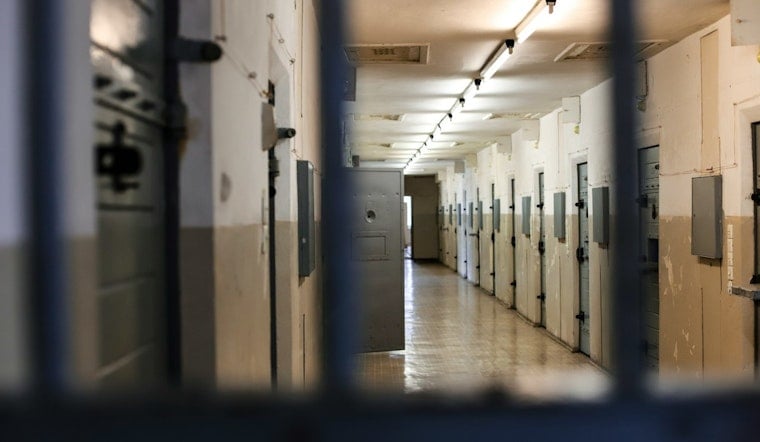
A man housed at the Minnesota Correctional Facility in Faribault says a neurological episode in custody spiraled into a nightmare of neglect, forcing him to drag himself to the toilet and choke down food he had been told not to eat. His family says the ordeal left him feeling “dehumanized” and has raised fresh questions about how the state treats prisoners with serious medical needs.
Allegations From Prisoner And Family
The account, reported by Colton Kemp at Southern Minn, centers on inmate Timothy Rantila, who relatives say suffered a neurological episode in December and was later diagnosed with a functional neurological disorder. Family members told the outlet that after the episode, Rantila was written up for insubordination and placed in segregation, where he says staff refused to help him with basic bathroom needs. He reports having to drag himself across the floor to use the toilet.
According to the family’s account, Rantila also requested a liquid diet after his episode but instead was served normal prison meals, which he attempted to swallow despite medical concerns. He was later moved to what his relatives describe as a “rehabilitative nursing home inside the fence” on January 30. His mother told the paper he is serving a two-year sentence, with credit for time already served, for cashing bad checks, according to Southern Minn.
Department Response And Policy
The Minnesota Department of Corrections has declined to comment on Rantila’s specific situation, saying it "cannot comment on specific incarcerated individuals" because of privacy rules. Instead, the agency has pointed to its written policies that spell out how incidents are reviewed and how housing decisions are made.
The DOC’s online policy manual includes sections on restrictive housing, medical separation and various review attachments that guide decisions about where to place an incarcerated person and what kind of oversight they receive. Those procedures are detailed in the Minnesota DOC policy manual, which outlines standards for both restrictive housing and medically driven separation.
Medical Context: Functional Neurological Disorder
Rantila’s reported diagnosis, functional neurological disorder (sometimes called conversion disorder), describes disabling neurological symptoms that stem from altered brain functioning rather than a clearly visible injury or structural damage. The condition can affect movement, speech and swallowing, and it often lands patients in a gray zone where their symptoms are very real but not always easily explained on a scan.
Medical authorities emphasize that FND symptoms are genuine and frequently misunderstood, which can lead to patients being doubted or brushed off. Research has documented how stigma and disbelief can leave people with FND feeling dismissed or even dehumanized by the very systems meant to care for them. For medical background on the diagnosis, see Mayo Clinic, and for research on stigma and lived experience in FND, see a qualitative study in Current Psychology.
Why Segregation Matters For Vulnerable Patients
Prison-health researchers and advocacy groups have long warned that restrictive housing and isolation can intensify mental and neurological problems. Time in segregation is associated with higher rates of anxiety, self-harm and other lasting psychological harms, especially when those stays are long or repeated.
People who already have mental health concerns or neurological vulnerabilities are considered particularly at risk when placed in isolation, where stress is high and supports are thin. For national reporting and analysis on how conditions of confinement, including solitary and restrictive housing, affect incarcerated people, see the Prison Policy Initiative.
What Comes Next
Rantila’s family says they intend to keep pressing the Department of Corrections over his treatment and are weighing formal complaints. The department, for its part, points to internal review mechanisms and medical evaluation processes described in its policy manual as the route for addressing such concerns.
In the background is a broader shift in Minnesota corrections law. In recent years, the state has moved to require more thorough assessments and individualized rehabilitation planning for people committed to the DOC, a legal backdrop that advocates say should shape how medical and housing decisions are made in cases like Rantila’s. For details on the 2023 statutory reforms affecting assessment and restrictive-housing oversight, see the Legislature’s changes at the Minnesota Revisor of Statutes website.




