

























































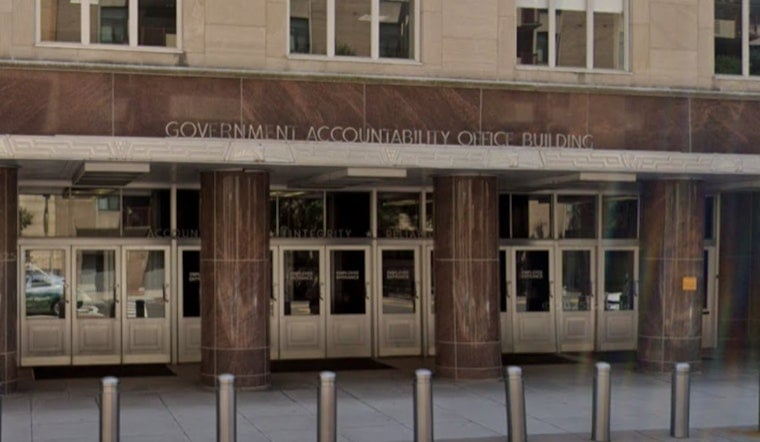
Federal auditors say U.S. diplomats and aid officials cannot reliably trace roughly $1.2 billion in projects that were supposed to blunt Chinese influence overseas, leaving Congress without a clean answer on what those dollars actually did. The Government Accountability Office found about 470 projects funded between fiscal 2020 and 2023, yet said the interagency working group that is supposed to manage this effort does not have readily available, reliable data to track them. That gap lands right as Congress and the agencies are arguing over how much to keep pouring into the dedicated Countering PRC Influence Fund.
GAO Flags A Big Blind Spot
In a report from the Government Accountability Office, State and USAID reported funding about 470 projects valued at nearly $1.2 billion from fiscal years 2020 through 2023. Yet working group officials, GAO wrote, "do not have readily available and reliable data" on basic details like project types and status.
To respond to auditors, officials had to ask individual bureaus and overseas posts to manually compile information from multiple internal sources. That scramble produced incomplete lists and errors, according to GAO, which in turn issued five recommendations to beef up documentation and create portfolio-level assessments. The report notes that the State Department agreed with those recommendations.
Lawmakers Want Receipts
The audit drops in the middle of a broader fight over whether Congress should maintain or expand the Countering PRC Influence Fund, a pot of money lawmakers have steered toward the $400 million mark.
House Foreign Affairs Chair Rep. Michael McCaul warned during a May 17, 2023 hearing that "the budget is also not clear on how USAID plans to spend the requested $400 million for the Countering PRC Influence Fund." USAID Administrator Samantha Power, in the same hearing, argued that such investments help sustain "an international order that values democracy and human rights," according to Congress.gov.
Those competing priorities, tighter oversight on one side and steady funding on the other, now shape the debate for appropriators and committee staff who have to write the checks and the guardrails.
Where The Tracking Broke Down
GAO did not just speak in generalities. Auditors found that officials could not provide time-frame data for 129 of the estimated 470 projects and left the specific line of effort blank for 38 others. Agency officials also lacked project-level information for nearly one third of approved proposals.
State and USAID began developing a monitoring, evaluation and learning framework for this work in 2023. That effort was then put on hold after an executive order in January 2025 paused foreign assistance obligations. As of March 2026, State officials told GAO they were still uncertain whether they would resume developing that framework.
Without standardized, up-to-date project information, GAO warned, the working group is flying half blind when it comes to deciding whether those dollars are actually advancing U.S. strategic goals against Chinese influence.
Budget Fallout Hits The Hill
The timing could sting. Appropriators are already deciding how much to allocate for next year and what strings to attach.
The House Appropriations Committee has backed fully funding the Countering PRC Influence Fund at $400 million. GAO's findings now give lawmakers a fresh rationale to push for stricter documentation requirements or even holdbacks until agencies can show how the money performs.
Expect more closed-door briefings and the possibility of public oversight hearings as staff weigh what conditions to bolt onto future funding. GAO's five recommendations, which range from requiring documented input on proposals to building a formal portfolio-level assessment process, outline a path forward on paper. The real test will be whether State and USAID can turn those ideas into visible changes before the next round of budget scrutiny hits.
Local coverage, including reporting by WOAI on June 29, has already started highlighting the audit as Washington teams sift through what it all means for where taxpayer dollars end up next.



