

























































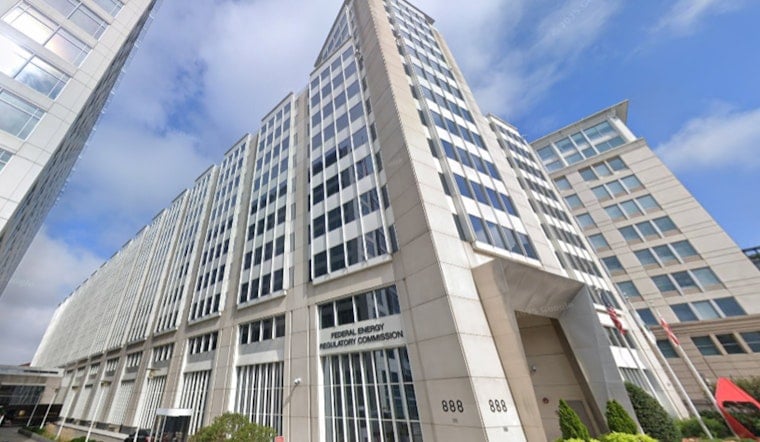
Federal energy regulators moved quickly Thursday to get more electricity flowing to the country’s fastest growing, energy hungry AI data centers, ordering regional grid operators to either justify or rewrite rules that slow big new loads from plugging in. The show-cause orders are designed to speed hookups while trying to keep households from footing the bill for major transmission upgrades.
What FERC ordered
According to a FERC news release, the commission issued tailored show-cause orders under Section 206 of the Federal Power Act to the six RTOs/ISOs and their transmission owners, giving them 60 days to defend their tariffs or file proposed changes. The orders tee up five categories of potential reform: faster study processes, more transparency to prevent cost-shifting, explicit accommodation of co-located generation, new services tailored to flexible large loads, and study processes for electrically proximate generation. They also require 30-day reports laying out how operators will ensure there is adequate generation to serve both existing demand and new large loads.
White House push and the tech pledge
Thursday’s action builds on the White House’s March Ratepayer Protection Pledge, under which Amazon, Google, Meta, Microsoft, OpenAI, Oracle and xAI agreed to build or procure new generation and cover infrastructure upgrades so consumers will not shoulder the bills, according to the White House. The administration framed the effort as part of a broader push to keep the United States competitive in artificial intelligence while protecting affordability for households.
Numbers that explain the urgency
The Electric Power Research Institute’s updated analysis shows data centers now account for roughly 4 to 5 percent of U.S. electricity use and could rise substantially under high-growth scenarios, with some projections placing their share in the low double digits by 2030, according to EPRI. At the same time, a J.P. Morgan analysis found that more than 60 percent of data-center capacity planned for 2027 has not begun construction and another 7 percent is delayed, underscoring permitting and equipment bottlenecks that have slowed the rollout (J.P. Morgan).
Who’s cheering, who’s worried
Tech companies and data-center developers greeted the move as a chance to cut long interconnection timelines, while utilities, state regulators and some community groups warned it could erode local control and favor quick, on-site fossil generation over cleaner alternatives, The Associated Press reported. Clean-energy advocates urged FERC to tie any speed-to-power reforms to stronger requirements for renewables and storage to avoid locking in higher emissions.
What happens next
Each RTO/ISO has 60 days to either justify its current tariff or file proposed reforms. The commission will review the filings and could order tariff changes that reallocate upgrade costs or change how co-located generation is treated. If operators do not move quickly on their own, FERC’s orders could accelerate a shift toward participant-funded upgrades and co-located generation models that change how communities and utilities plan for big new loads.
Legal and regulatory implications
FERC invoked Section 206 authority to press for transparency and to prevent cost-shifting, a move that could prompt state pushback and legal challenges over federal preemption and cost allocation. Energy reporters and analysts warn the coming weeks could bring contentious filings and litigation as stakeholders test the limits of federal authority in grid planning, according to E&E News.
Whether the orders speed projects or trigger protracted fights will depend on how RTOs, utilities and the tech companies that signed the pledge respond in the coming weeks. For communities already debating data-center siting, the question is shifting from whether to host projects to who will pay for the power that runs them.





