

























































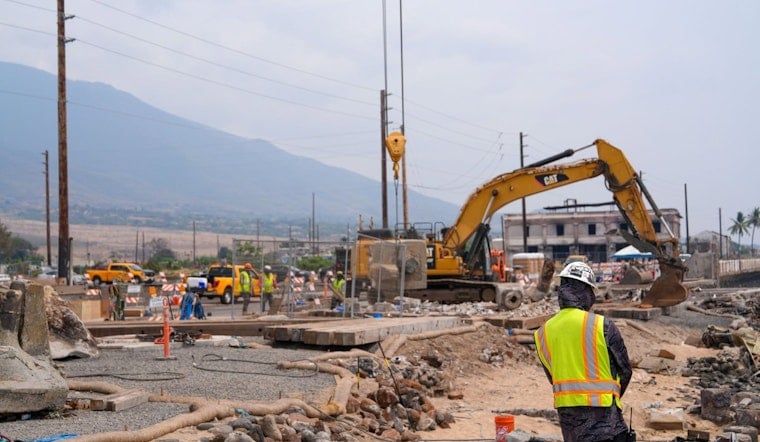
More help is finally on the way for parts of Tennessee still digging out from Tropical Storm Helene and other recent disasters. FEMA has signed off on more than $50 million in additional funding for 39 recovery projects across the state, aimed at everything from debris removal to long-term fixes for battered roads, bridges, and utility systems.
The new money, outlined in a FEMA news release and broken down by NewsChannel 5, will flow to county governments, electric co‑ops, hospitals, and state parks that have been fronting the costs of cleanup and emergency work.
Among the biggest pieces of the pie: $20.2 million to the Tennessee Emergency Management Agency for emergency protective measures and debris removal; $8.9 million to the Tennessee Department of Transportation to clear more than 107,000 cubic yards of construction and demolition debris and 17,000 cubic yards of vegetative debris; and $4.2 million to Mountain Electric Cooperative for permanent utility repairs.
Sample projects approved by FEMA
FEMA project notices spell out how that money will land on the ground in specific communities instead of just on spreadsheets. For example, FEMA approved roughly $6.2 million to replace Greene County’s Poplar Springs (Easterly) Bridge after Helene. Other notices cover county road work, utility pole repairs, and health‑care expenses tied to past emergencies.
Why it matters for communities
That cash infusion hits as many counties are still wrestling with the upfront bills from cleanup and emergency repairs. Helene swept across parts of Tennessee in late September and triggered a federal disaster declaration, leaving behind destroyed bridges, flooded roads, and downed power lines that do not fix themselves.
While they waited for federal reimbursements to catch up, state leaders created recovery funds to help plug the holes, including a $100 million HEAL program aimed at hurricane‑hit East Tennessee, according to Hoodline.
How does the Public Assistance pay
FEMA’s Public Assistance program reimburses state and local governments for eligible emergency work and permanent repairs at a federal cost share of no less than 75%, as FEMA guidance explains here. The federal dollars go first to the state, which then disburses funds to local applicants once projects clear eligibility and documentation rules.
In practice, that usually means counties and utilities pay vendors and contractors up front, then seek repayment through TEMA and FEMA after the paperwork is in order. Officials said the latest round of approvals should give local governments enough confidence to get contractors moving and start visible repair work across the state this summer. For a project‑by‑project breakdown of the awards, see the summary from NewsChannel 5.





