

























































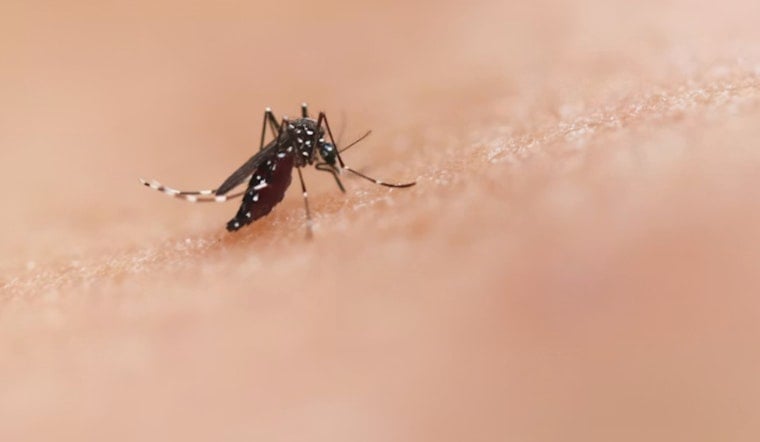
Maricopa County health officials on Tuesday, June 16, 2026, confirmed the Phoenix area's first death from West Nile virus this year, a grim marker as mosquito season ramps up in the Valley. The patient was described only as an older adult with underlying health conditions, and officials said 17 human cases have been confirmed in the county so far this season, just as monsoon weather typically sends mosquito activity soaring.
In a news release, the Maricopa County Department of Public Health confirmed the death and urged residents to take prevention seriously. "This case is a tragic reminder that West Nile virus can cause severe illness and even death," Melissa Kretschmer, epidemiology supervisor for the Vector-Borne and Zoonotic Diseases program, said in the release, according to the Maricopa County Department of Public Health.
Numbers and surveillance
Most people infected with West Nile show no symptoms. About 1 in 5 develop a flu-like illness and roughly 1 in 150 may develop severe neurologic disease such as encephalitis or meningitis, according to the Centers for Disease Control and Prevention. Severe cases can require hospitalization and can sometimes lead to long-term complications.
County officials noted that the 17 human cases reported so far in 2026 are more than four times the number reported at the same point in 2025, and they warned that even tiny pockets of water can turn into mosquito breeding grounds. "Even an overturned bottle cap can hold enough water for mosquitoes to breed," Kretschmer said in the county statement. The Maricopa County Environmental Services Department's surveillance shows 165 positive mosquito samples in 2026 as of June 15, underscoring active transmission in the Valley, according to the Maricopa County Environmental Services Department.
How to protect yourself
Officials urged residents to follow the 4Rs: Repel, Remove, Repair and Remind, and to protect themselves whenever they are outdoors.
The CDC recommends using EPA-registered insect repellents that contain active ingredients such as DEET or picaridin, wearing long clothing at dusk and dawn, and eliminating standing water around homes, according to the Centers for Disease Control and Prevention. Local vector control teams can treat breeding sites, and residents are encouraged to report heavy mosquito activity to their local authorities.
If you develop fever, severe headache, neck stiffness or confusion, seek medical care and mention possible mosquito exposure to your provider. For local coverage of the announcement see KTAR News 92.3 FM; for official updates consult county public-health resources.





