

























































Hitting your five-a-day fruit and veg target might look good on paper, but a new analysis says it often comes up short on one key ingredient for heart health: flavanols. Many people who dutifully get their five servings still miss the rough benchmark of 500 milligrams of flavanols a day, the intake level that randomized trials have linked with a lower risk of dying from cardiovascular disease.
The research team, which included scientists from the University of Reading, Harvard Medical School, the University of California Davis and Mars, Inc., tracked diets and biomarker data from more than 30,000 adults in the U.S. and U.K., according to University of Reading. The university reported that the findings were published this week in the journal Food & Function.
Using two validated biomarkers, the authors estimated flavanol intake in two large cohorts, the COSMOS trial (n = 6,509) and EPIC‑Norfolk (n = 24,154). They found that only 19.2% of COSMOS participants and 17.9% of EPIC participants reached a biomarker-estimated intake of at least 500 mg a day. Overall, fewer than a quarter of people who met standard fruit and vegetable guidelines hit that mark, according to Food & Function. The paper combined data from gVLM_B and SREM_B biomarkers to provide a more objective measure of flavanol consumption.
The 500 mg daily target comes from intervention data, not wishful thinking. In the COSMOS randomized clinical trial, a daily dose of 500 mg of cocoa flavanols was tied to a 27% reduction in deaths from cardiovascular disease as a secondary outcome, even though the trial’s primary composite outcome was neutral, according to the COSMOS trial. That study enrolled more than 21,000 older U.S. adults and is still the largest long-term randomized trial of flavanol supplementation.
Which Fruits And Drinks Deliver The Most Flavanols
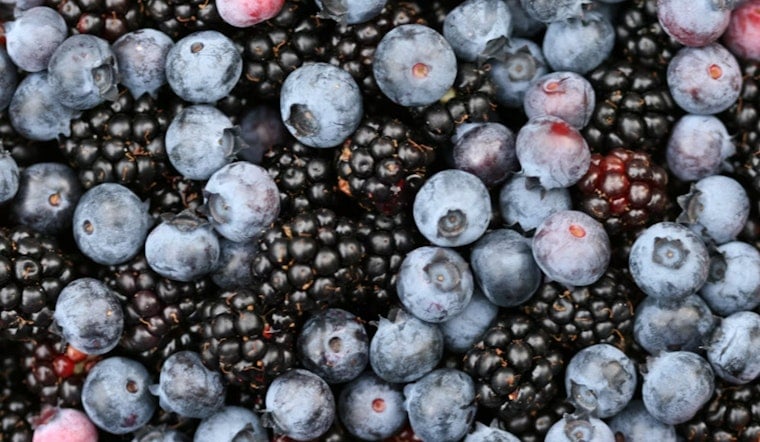
When the researchers ran simulations and looked at biomarker data, a few foods and drinks clearly punched above their weight. Plums, cranberries, blackberries, green tea and broad (fava) beans showed up as some of the most concentrated sources per portion, according to University of Reading. The university shared rough per-portion estimates, suggesting that a 500 g punnet of plums contained about 450 mg of flavanols, while a 250 ml cup of green tea came in at roughly 200 mg.
Lead author Dr. Javier Ottaviani cautioned that quantity matters, saying, “Flavanols can significantly reduce the risk of dying from cardiovascular disease, but only if you consume enough of them.” University of Reading professor Gunter Kuhnle added, “Five-a-day is the right message, but we may need to think more carefully about which five,” as reported by FOX 35 Orlando.
What The Study Does Not Prove
The new analysis estimated how much flavanol people were likely getting, but it did not track heart disease events directly, and the authors say this is not a green light to build a diet around one compound. The paper notes that flavanol content can swing widely by cultivar, growing conditions and processing, and concludes that for most people, hitting 500 mg a day from typical fruit and vegetable choices is still unlikely, according to Food & Function.
The takeaway: keep eating a mix of fruits and vegetables, but if you are aiming to bump up flavanols, consider working in berries, plums or a cup of green tea alongside your usual meals. And if you are thinking about supplements or any major diet overhaul in the name of heart protection, check in with your clinician first.




