

























































Washington is taking a direct shot at college sports' wide-open transfer era, and the push is coming straight out of Florida and Alabama. Federal lawmakers from both states rolled out a bill this week that would cap how long college athletes can compete and clamp down on penalty-free transfers, a move that could rewrite how coaches recruit and build rosters.
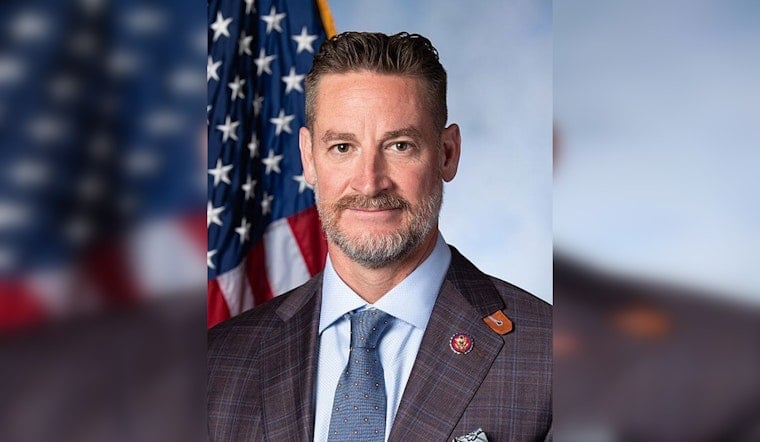
Representative Greg Steube and Senator Tommy Tuberville introduced the Student Athlete Act of 2026, which would give athletes five consecutive years of eligibility, allow one transfer without penalty and require players to sit out a season for any additional moves. The bill would also tell receiving schools to honor existing scholarship agreements and would override conflicting state rules, according to Tampa Free Press.
What the bill would do
The measure, filed in the Senate on March 24 as S.4177, creates a firm five-consecutive-year eligibility clock and tasks the NCAA with setting transfer-portal notification windows. Under the text, the first transfer is treated as an exception to a year-long ineligibility rule, while later transfers would trigger a one-season sit-out. The bill was read twice and sent to the Senate Commerce Committee for review, according to bill trackers on PolicyEngage.
Why sponsors say it’s needed
Steube said, "College athletics should be about earning a degree and competing on the field, not navigating a confusing patchwork of eligibility rules," while Tuberville argued, "We can't be having 25-year-old 'students' who graduated three years ago still competing in the NCAA." They are pitching the bill as a reset to what they call a free-agent culture. Sponsors say the transfer portal and extended eligibility have squeezed out high-school recruits and churned rosters in ways that hurt academics and smaller programs, according to Tampa Free Press.
How this fits into Washington's push
The Student Athlete Act is the latest in a growing stack of federal proposals meant to stabilize college sports. It joins efforts like the bipartisan Protect College Sports Act, backed by Senate Commerce leaders, which would also use a five-year window and tighten transfer rules. Committee leaders and the White House have signaled they see a need to standardize eligibility and name, image and likeness rules, according to a press release from the Senate Commerce Committee.
Legal and practical hurdles
Legal experts and policy analysts are already flagging some potential trouble spots. The bill would preempt state NIL and eligibility laws and hand the NCAA explicit antitrust protections, a combination that observers say could invite lawsuits and major compliance shifts. It also requires receiving schools to honor original grants-in-aid for transfers and wipes out conflicting state rules, changes analysts say would reshape how athletic departments budget and manage scholarships, according to Codify Legal Publishing.
Next steps
S.4177 now sits in the Senate Commerce Committee, where it will have to contend with rival bills and heavy lobbying from conferences, athletes and state officials. Any path to a final law is expected to run through hearings, amendments and possibly the courts. For now, observers say Florida programs and recruits will not feel any real impact unless Congress or federal regulators ultimately sign off on a final rule, leaving the coming weeks of committee work as the key test for the bill's future.





