

























































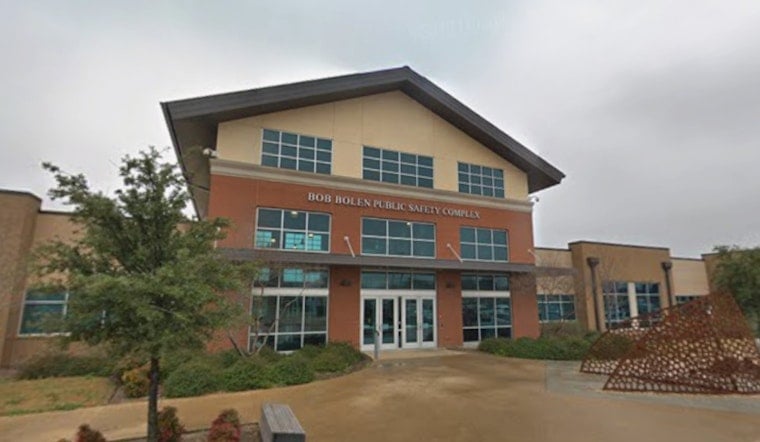
A 50-year-old Fort Worth wife, mother and grandmother says a police K‑9 bit her in her own yard, sending her to the hospital and leaving neighbors rattled about how officers used a dog on their block.
Regina Allen told a television crew she stepped outside her home on Purington Avenue on April 12 to alert officers about an elderly neighbor who appeared to be in distress. As she tried to get their attention, she said, a police dog suddenly latched onto her and she suddenly found herself in pain. Neighbors said emergency medics and officers responded to the street, and residents are now asking how and why the canine was deployed in a residential area.
In a video interview, Allen described police searching the neighborhood on the ground and in the air during an operation that brought officers to her street, as reported by CBS News Texas. The segment shows Allen visibly shaken and neighbors talking about the disruption after the deployment. That coverage is the primary on-camera account of what happened.
What Fort Worth policy says about K‑9 use
The Fort Worth Police Department general orders give handlers discretion to decide whether to deploy a police dog and state that every reasonable effort or precaution shall be exercised to prevent a canine from biting a suspect. The same directive says canines should not be used for crowd control and requires handlers to document deployments and training, and handlers must inform supervisors when they intend to work a dog off leash. That language places responsibility with handlers while making canine use a reportable form of force.
National context on K‑9 bites
National investigations have found wide variation in how police departments send dogs into the field and how they report bites, with some cities recording far more K‑9 injuries than others. A long-form review by The Marshall Project examined K‑9 bite patterns and the policy debates they have sparked. Those findings help explain why residents and advocates routinely press for clearer reporting when dogs injure civilians.
How Fort Worth records K‑9 deployments
The department's public use-of-force reports include "K9" as a recorded force category and break down incidents by division and type, creating a paper trail for later review. The city's published reports, including its Fort Worth Police Department January 2026 use-of-force summary, list K‑9 among tracked force types and provide the administrative data auditors and oversight staff rely on. That reporting is one mechanism the city and oversight office can use to evaluate whether a deployment followed department policy.
Oversight and next steps for residents
People who want to lodge concerns about K‑9 deployments or other officer actions can file a complaint with the City of Fort Worth Office of the Police Oversight Monitor, which reviews use-of-force incidents and audits departmental investigations, the city says. For contact details and information on filing a complaint, see the Office of the Police Oversight Monitor.
It was not immediately clear whether the Fort Worth Police Department or the oversight office had opened a formal review into the April 12 event. Allen's account, captured on video by the local station, adds to ongoing conversations in the city about transparency, K‑9 training and how officers balance safety and neighborhood disruption when responding to calls.



