

























































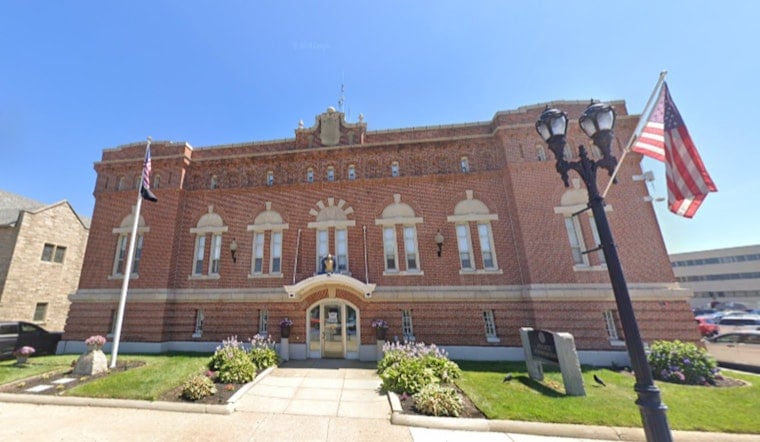
After months of residents packing meetings and organizing around privacy and data sharing, the Framingham Police Department is cutting ties with Flock Safety’s automated license plate reader cameras. The department confirmed it will not renew its contract with the company, meaning city access to the Flock system is scheduled to be shut off on June 30, 2026, and the street-side cameras will be decommissioned. Officials have framed the shift as a direct response to sustained community pressure.
Police and mayor emphasize review and balance
Administrative Lt. Rachel Mickens said the department will “balance technology and public safety needs with transparency, accountability, and the privacy concerns of the community,” and added that Flock will coordinate removal of the hardware, according to Boston.com. The outlet also reports Mayor Charlie Sisitsky telling residents “there is no evidence of inappropriate access or sharing of data,” while promising further review before any future decision on similar tools.
City narrows who can see plate data
The city has posted a "Transparency & Accountability" note saying the City Solicitor’s Office is reviewing contract language and that, in response to community feedback, the police have limited information sharing through the Flock system to Massachusetts law enforcement agencies only. Out-of-state access will be approved on a case-by-case basis, and the department has added program policies and usage statistics to its public transparency portal, according to the City of Framingham.
Residents pressed officials at public forums
Local advocates and neighbors spent the spring pressing officials in public meetings to revisit the Flock program. They raised concerns about how long data is kept, how easily it can be searched across jurisdictions, and the potential for misuse beyond local crime-fighting. Coverage of a late-April library forum shows police and a Flock representative fielding detailed questions from residents while organizers urged city leaders not to renew the contract ahead of its June expiration, per AccessFram.TV.
Pullbacks across the region
Framingham’s move comes as other Massachusetts communities also back away from Flock’s cameras amid privacy complaints. Several outlets have reported that neighboring and regional governments, including Cambridge, Watertown and Natick, have either ended or paused Flock agreements while officials reexamine oversight rules and data-sharing arrangements, according to NBC Boston.
Why critics worry and what is next
National civil-liberties groups have long argued that centralized automated license plate reader networks can be searched across jurisdictions and used for purposes far beyond the original local crime cases. Those organizations warn that such systems can affect immigration enforcement, protest surveillance and other sensitive areas. The ACLU has documented those risks in reporting and analysis, outlining how private ALPR networks can create searchable historical records of vehicle movements. Flock, for its part, points to encryption and internal policies to limit outside access. Flock Safety says it does not collaborate with ICE, a claim critics continue to scrutinize.
Locally, city leaders are trying to lock in clearer rules. A "Trust in Local Law Enforcement" ordinance has been referred to the Rules Subcommittee for consideration and is on the City Council docket, and council leaders say any future program would have to come with strict local control of data. Framingham City Council chair John Stefanini has said the city will not allow public resources to collect license plate data unless the city retains exclusive control and use of the information, as listed in the City Council measures and reported by Boston.com. Residents who campaigned against the program say they plan to keep pushing for quick removal of the cameras and for clear, enforceable rules if anything like Flock is ever proposed again.


