

























































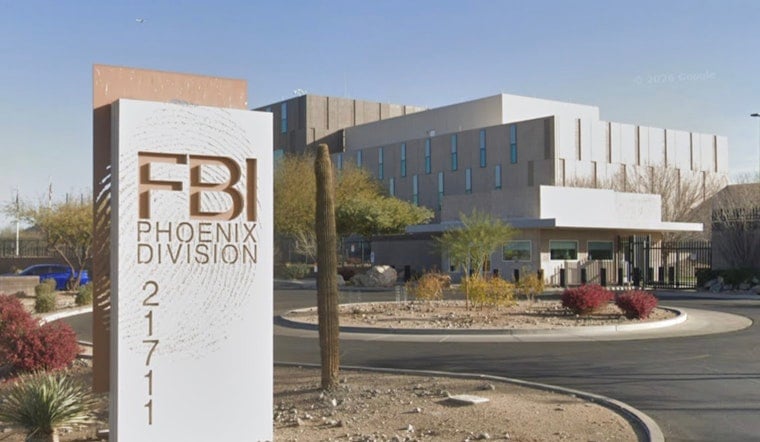
Scammers are trying to cash out on dirt they do not own in metro Phoenix, according to a new alert from the FBI’s local field office, which on Thursday warned that identity theft schemes involving vacant land sales are on the rise. The schemes lean on remote closings, forged paperwork and the lighter scrutiny that often follows unimproved parcels, so all-cash deals can get surprisingly far before anyone hits the brakes. Real estate agents, title companies and absentee landowners are being urged to slow things down when something feels off and to treat thin verification as a major red flag.
How The Scam Plays Out
In a post on X, FBI Phoenix laid out a familiar playbook: fraudsters pose as the owner of record, use counterfeit IDs along with disposable email addresses or VoIP phone numbers, and push hard for a quick, all-cash closing that can be handled remotely. They often contact multiple agents at once, then, once a buyer bites, roll out forged deeds, fake notary acknowledgements or shell-company payees to move the deal along. Many legitimate owners only find out what happened after a bogus sale is recorded or the money has already been wired away.
Why Empty Lots Are Easy Targets
Federal investigators say vacant parcels are particularly tempting because there is no one living on site, mortgages are less common and neighbors are not as likely to spot something odd. A past field advisory from FBI Newark described the same pattern: mass outreach to agents, convincing fake documents and, in some cases, the use of money mules or LLCs to move the proceeds so the real owner is left fighting to clear the title in court. According to law enforcement and industry reports, this is a nationwide problem, not a weird one-off in Phoenix.
What Owners And Agents Can Do Now
Officials say title companies and landowners should enroll in property-alert services through county recorder or assessor offices, require in-person or video-based identity checks when possible, and send a certified letter to the mailing address listed on the tax bill before a closing is finalized. Buyers and brokers are urged to treat unusually fast, below-market, all-cash deals as a warning sign and to hold off on any wire transfers until identity and title questions are fully resolved. The American Land Title Association and other trade groups have circulated checklists and training materials to help professionals spot seller-impersonation scams before the money moves.
Potential Charges And How To Report Suspicious Deals
When these schemes are prosecuted, defendants have faced counts such as wire fraud, bank fraud, aggravated identity theft and conspiracy; a U.S. Attorney’s Office press release this year, for example, described arrests tied to an alleged fraudulent sale that used stolen homeowner identities to obtain loan proceeds. Acting fast can be critical, since law enforcement says banks can sometimes freeze or claw back wires if they are alerted in time, and professionals are encouraged to preserve documents and file complaints quickly. The FBI asks victims and industry partners to report suspected fraud through FBI tips or the Internet Crime Complaint Center.
For anyone who owns vacant land, officials recommend signing up for free property alerts from the county recorder, checking recent recordings tied to your parcel and keeping your contact information current with local tax and recording offices. For the full advisory and specific examples of red flags, see the FBI Phoenix post on X above, and contact local authorities if you spot an unauthorized listing or filing tied to your land.





