

























































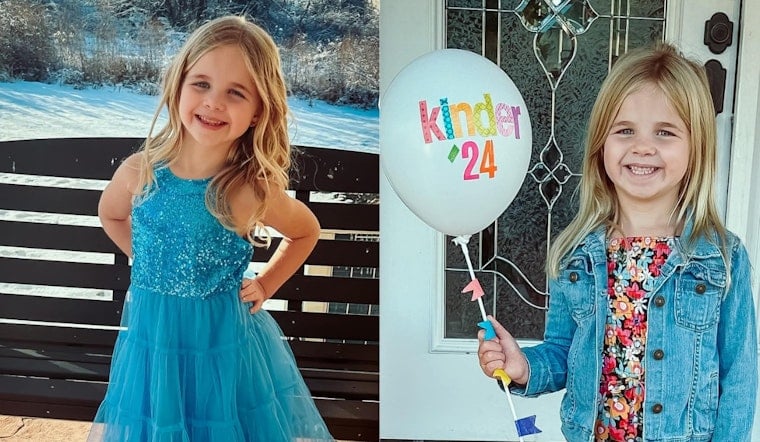
When 6‑year‑old Hadley McMahon chases a soccer ball around her Frederick backyard, it is a far cry from the prognosis doctors gave her as a baby. Born with an aggressive mass at the base of her brain, Hadley is now cancer‑free and getting ready for kindergarten, a recovery her care team says may be the first known case of a child surviving a brain‑stem cancer. That turnaround has injected new hope into a field where these tumors have been almost always fatal.
How the diagnosis unfolded
Doctors found the tumor when Hadley was only a few months old and identified it as an infant high‑grade glioma lodged in the brainstem, a location that typically rules out surgery and comes with a devastating outlook. As reported by CBS News Colorado, the genetics of her tumor were described as "entirely unique," leaving clinicians with almost no roadmap for how to treat it.
How doctors beat the odds
At Children’s Hospital Colorado, clinicians turned to advanced genetic sequencing to pinpoint a mutation that could guide therapy. That information shaped a targeted plan that combined chemotherapy with carefully delivered radiation. In a patient story from the hospital foundation, Children’s Hospital Colorado Foundation reports that those precision methods led to a dramatic response over the course of months, and follow‑up scans eventually showed the mass was gone. According to the foundation, Hadley celebrated five cancer‑free years by ringing the hospital’s Warrior Bell and now uses a mobility chair and tracheostomy as she slowly rebuilds her strength.
Why this matters
Brain‑stem tumors in children, broadly grouped under diffuse intrinsic pontine glioma and related diagnoses, rank among the deadliest pediatric cancers because they sit in the region that controls breathing, swallowing, and other vital functions. The National Cancer Institute's PDQ summary notes that most children diagnosed with DIPG survive less than two years and that radiation remains the mainstay of treatment. Hadley’s long‑term remission is therefore highly unusual and highlights how molecular testing can reshape the conversation for some rare tumors.
"All the signs that we had pointed to this being really, really, really grim," Dr. Nathan Dahl told CBS News Colorado, underscoring just how unlikely Hadley’s recovery appeared at the start. Her mother, Amber McMahon, said the family rejected recommendations not to treat and now puts that experience into fundraising and patient advocacy. Parents and clinicians say Hadley’s outcome is already influencing how they talk with newly diagnosed families about the importance of genetic testing and experimental options.
Children’s Colorado notes that Hadley’s case depended on the hospital’s capacity for rapid sequencing and multidisciplinary care, resources that are not available everywhere, and says the experience is shaping ongoing research into brain‑stem tumors. The hospital foundation also points to lab programs focused on targeted antibodies and immunotherapies that could expand future options for midline gliomas. Researchers caution that a single case does not create a new standard of care, but clinicians say it bolsters the case for broader molecular profiling in pediatric brain tumors.
For the McMahons, the statistics and lab reports matter less than watching Hadley breathe on her own again and walk into a classroom. They have traded a prognosis of "no hope" for a life that now includes field trips, soccer, and sleepovers, and they hope Hadley’s story gives the next family a little more room to fight. Her smile and that pink mobility chair serve as a reminder that sometimes medical advances really do redraw the line between impossible and possible.



