

























































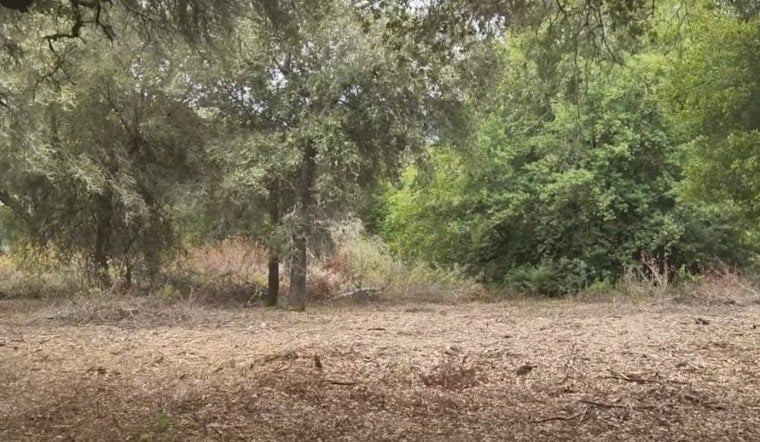
A year after a brush fire briefly turned Mount Hermon Road into a midday bottleneck, local wildfire planners are pointing to a newly finished shaded fuel break as a concrete step toward reducing risk. The Hermon Fire, which broke out during the midday commute on June 6, 2025, was contained quickly but still served as a reminder of the region’s exposure to fast-moving mountain blazes. Officials say the Lockhart shaded fuel break, now finished along the ridgeline between Felton and Scotts Valley, is intended to give firefighters a defensible line and improve evacuation options when the next blaze hits.
How the Hermon Fire Unfolded
The Hermon Fire started along Mount Hermon Road around 11:30 AM on June 6, 2025, and forced temporary closures during the lunchtime commute, according to Lookout Santa Cruz. Multiple crews from CAL FIRE’s CZU and SCU units, along with local fire districts, hit the scene quickly. The blaze was knocked down to roughly 2.3 acres and declared contained early that afternoon. No structures were threatened, and no injuries were reported, but for drivers stuck on Mount Hermon Road, it was a very real-time reminder of how fast things can change.
Lockhart Shaded Fuel Break Now Complete
As shown in a Facebook reel from the CAL FIRE CZU San Mateo-Santa Cruz Unit, the Lockhart shaded fuel break is now complete and operational, a milestone posted on June 6, 2026. The project was funded in part by a CAL FIRE Wildfire Prevention Grant and coordinated by the Resource Conservation District of Santa Cruz County. County documents note that the RCD implemented the Lockhart Gulch shaded fuel break across roughly 100 acres and about 3.5 miles of ridgeline; see the County of Santa Cruz report and the CAL FIRE Wildfire Prevention Grants Program for funding context.
What Crews Actually Did
On the ground, crews used a mix of mechanical mastication and hand work to thin dense understory, remove invasive plants and clear hazardous fuel loads along Lockhart Ridge, as detailed by the Resource Conservation District of Santa Cruz County. Treatments range in width from roughly 50 to 200 feet, depending on slope and vegetation, and were adjusted where the work intersects sensitive Santa Cruz Sandhills habitat. The tactics are designed to reduce the chance of a crown fire while improving firefighter access and evacuation safety.
Why It Matters for Neighbors
Fuel breaks can slow a fire and create safer suppression opportunities, but they are not a magic shield. According to CAL FIRE, home hardening and maintaining the required defensible space around structures remain essential in high-risk mountain communities. Residents are urged to follow advisories from their local fire district and keep vegetation trimmed and managed close to homes so the larger landscape work can actually do its job.
Funding, Upkeep and Ongoing Work
The Lockhart project reflects a multi-partner effort. The RCD led design and permitting while coordinating with the San Lorenzo Valley Water District, the Land Trust of Santa Cruz County and several private landowners to complete and now maintain the line. RCD staff say follow-up maintenance and ongoing coordination with landowners will be needed to preserve the break’s effectiveness while limiting ecological impacts. For more project details, see the Resource Conservation District of Santa Cruz County.





