

























































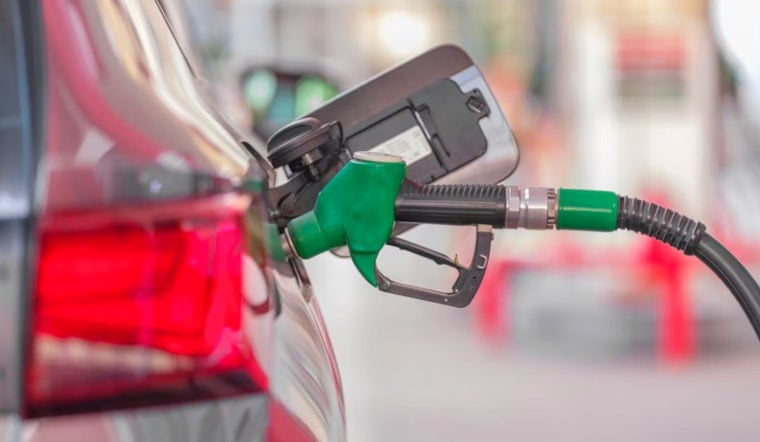
Drivers are finally catching a break at the pump, with the national average for a gallon of regular slipping back below $4 after months of wallet‑stretching prices. Analysts say the slide could continue into the low‑$3 range later this year, but there is a big asterisk hanging over the outlook: hurricane season. A Gulf storm this week was a fresh reminder of how quickly a single system can rattle supplies and push prices higher again.
According to AAA, the national average sat at roughly $3.97 as of June 19, with state averages still all over the map. California stayed above $5.60 per gallon, while several states were well under $4. AAA points to lower crude prices and easing geopolitical risk as key reasons for June’s pullback, even as local taxes and refinery quirks keep the price picture uneven from state to state.
Forecasters at GasBuddy are even more upbeat. The company’s 2026 Fuel Price Outlook projects the yearly U.S. average could drop below $3 if markets stay calm, and GasBuddy’s Patrick De Haan has called out hurricane season and refinery maintenance as the main wildcards. GasBuddy cautions that the path lower depends on avoiding major supply shocks. Even if the national average drifts down, local drivers should still expect big regional differences at the pump.
Tropical Storm Arthur and the Gulf
The first named system of the season, Tropical Storm Arthur, spun up in the Gulf off the Texas coast this week and briefly threatened areas near major refinery hubs, according to National Hurricane Center advisories. NHC advisories warned of life‑threatening flash flooding across parts of Texas and Louisiana as Arthur moved inland and weakened. Arthur has since degenerated, but its close pass by Gulf production and refining infrastructure is exactly the kind of event traders watch for hints of possible supply disruption.
How a Major Hurricane Would Move Prices
Energy Information Administration models show that a high‑impact hurricane that temporarily removes roughly 1.5 million barrels per day of Gulf production, along with a similar hit to refining, could lift monthly average U.S. pump prices by about $0.25 to $0.30 per gallon. EIA notes that the effect tends to be strongest in the month after the disruption, then fades as inventories and imports help rebalance the market. That math explains how a single storm near key refinery hubs can quickly translate into noticeable price spikes on station signs.
What To Watch This Hurricane Season
NOAA’s seasonal outlook gives a 55% chance of a below‑normal Atlantic hurricane season this year, but agency scientists are quick to stress that it only takes one storm to cause severe local damage and market turmoil. NOAA continues to recommend preparedness even in quieter years, and analysts say markets will be keeping a close eye on crude futures, refinery maintenance schedules and any tropical threats aiming for the Gulf. For motorists, the most immediate clues will come from wholesale crude moves and the numbers on local station signs, not just the national average.
Bottom line: falling crude prices and easing geopolitical tensions make further gas price relief likely if nothing else goes wrong, but Gulf storms remain the wild card that can wipe out those gains in a hurry. For broader regional context and the original roundup, see the report from WKRN.



