

























































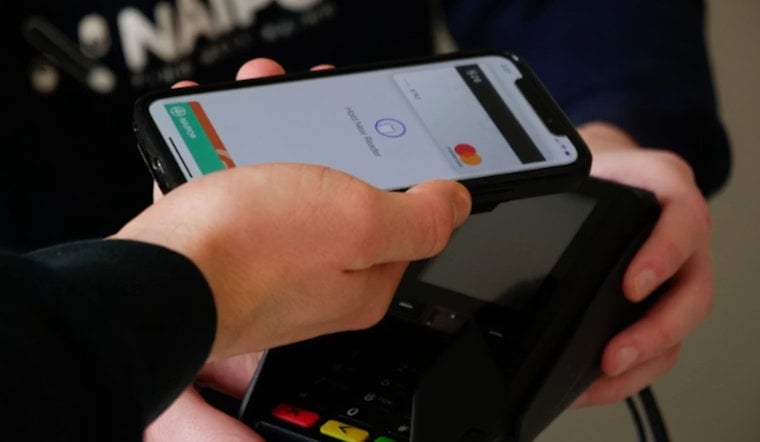
Houston-area shoppers got a fresh fraud warning Monday night when Harris County Constable Precinct 4 sounded the alarm about a spike in "ghost tapping" - a contactless payment scam that quietly drains money through tiny, unauthorized charges on tap-to-pay cards and phones. Officials said the charges are often so small they slip past a quick glance at your statement, and urged residents to turn on transaction alerts and routinely review their accounts. Acting fast, they noted, improves the odds of reversing fraudulent charges and helps law enforcement spot patterns.
What Is Ghost Tapping?
Ghost tapping is a form of contactless fraud that abuses near-field communication (NFC), the same tech that lets you pay with a quick tap instead of a swipe or chip insert. In this scam, a reader can trigger a purchase without a hand-to-hand exchange or an obvious swipe at a terminal. Scammers often start with low-value "test" transactions that blend into a statement so victims do not spot the problem right away.
Consumer outlets have documented how small, portable readers and fake terminals make these hits possible, according to ConsumerAffairs.
What Harris County Officials Said
In its online alert, the Precinct 4 office urged residents to "turn on transaction alerts with their bank or credit card company" and to keep a close eye on bank and card statements, since fraudulent ghost-tap charges are often small and easy to overlook, as posted by Constable Mark Herman's office. The office advised people to act immediately if they see a charge they do not recognize and to stay mindful of their surroundings, especially in crowded spaces where someone can get close enough to tap without raising suspicion.
The post also pointed residents to the precinct's Facebook and Instagram pages and encouraged them to download the C4 Now mobile app for live public safety updates.
How Scammers Pull It Off
Security researchers say attackers piece together cheap NFC hardware, burner phones or relay tools and, in some cases, malware to turn stolen payment tokens into in-person purchases. Reports from Recorded Future's Insikt Group and cybersecurity outlets describe underground markets where relay software and "ghost tap" toolkits are openly sold, which makes these attacks easier to launch even for less technical criminals.
That mix of low-cost hardware and off-the-shelf software helps explain why incidents have been spotted around large events and on crowded public transit, where people are shoulder-to-shoulder and their wallets, bags, or phones are within easy range of a hidden reader.
Protect Your Wallet
Precinct 4 and consumer groups recommend turning on instant transaction alerts so every tap or swipe pings your phone in real time, using mobile-wallet payments that require a biometric unlock, and keeping contactless cards tucked into inner pockets or RFID-blocking sleeves instead of open outer pockets or loose bags.
The Better Business Bureau also suggests lowering contactless limits where your bank allows it and watching for unfamiliar small charges that could be test transactions before bigger hits. If you use tap-to-pay on a phone, enable lock-screen authentication so an accidental or unauthorized tap cannot go through without your face or fingerprint, per the Better Business Bureau.
If You See An Unfamiliar Charge
Officials say the first move should be to contact your bank or card issuer immediately, freeze or cancel the card, and dispute any transactions you did not authorize. After that, victims are urged to file reports with local police and federal authorities so patterns can be tracked across cases.
Federal resources direct victims to the FBI’s Internet Crime Complaint Center (IC3) and the FTC's complaint portal so incidents are logged and can feed into broader investigations. Save transaction details and screenshots, because quick, clear documentation helps banks reverse charges and helps investigators follow the fraud chain, according to the FBI.
Why Houston Should Pay Attention
Similar warnings have surfaced in other Texas cities, where consumer advocates and local news outlets have flagged ghost tapping at crowded festivals and sporting events. Earlier this spring, coverage out of San Antonio underscored that packed civic gatherings are prime territory for this kind of theft, as reported in Ghost Tap Scammers Stalk San Antonio.
Houston residents are being urged to keep a particularly close eye on their statements after big concerts, rodeos, and other large events where shoulder-to-shoulder crowds make proximity-based skimming much easier to pull off.





