

























































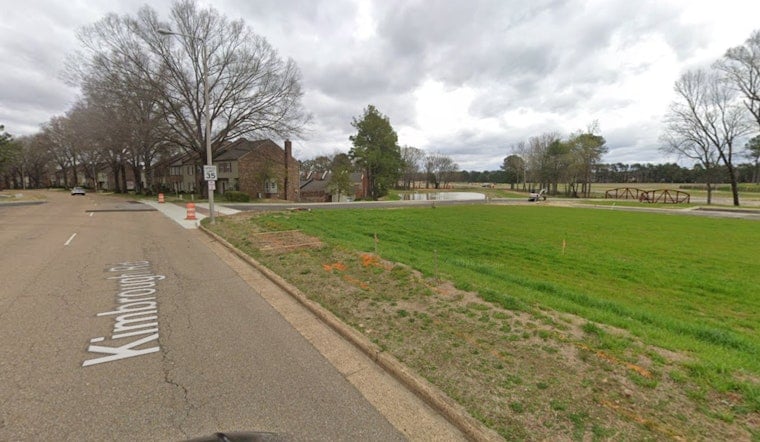
The roadway grid at the former Germantown Country Club is in, the detention ponds are dug, and the cul-de-sacs are ready for traffic. What is not showing up in Glasgow are front doors and framing crews.
Developer approvals are in place for hundreds of homes, yet the freshly paved streets are still lined with empty lots while city staff, the developer, and federal officials work through floodplain questions, utility sign-offs and map changes. For now, the subdivision is a quiet reminder that planning and infrastructure can sprint ahead while homebuilding is stuck waiting at the starting line.
According to The Daily Memphian, developer Spence Ray holds final approval for 366 homes at the site and told the paper that “nothing has changed,” even though vertical construction has yet to begin. The outlet reported that the roadway network appears largely complete, but no houses are rising, leaving the project in a visible holding pattern.
Permits Are In Hand, But Site Work Still Needs Green Lights
The city issued early construction permits and described Glasgow as a multi-phase plan that will ultimately bring hundreds of single-family lots to the area. Municipal notices from late 2022 outlined phase one infrastructure work, including erosion and sediment controls.
City of Germantown materials show that phase one permitting began as crews prepared grading, a construction entrance and conservation areas for the neighborhood. In other words, dirt work and roads could move forward while the bigger regulatory questions stayed on the desk.
Utilities Are A Real-World Bottleneck
Local reporting has also highlighted utilities as a key gatekeeper for the project. Builders and the developer told reporters that Memphis Light, Gas & Water must finish electric and gas connections before houses can be framed, and crews have been handling that underground work on site.
The Commercial Appeal reported last year that the timing of those utility hookups could shape when phases two and three are allowed to move forward. Until those lines are live, the wood and brick are not.
FEMA Map Review Is Holding A Key Piece
Another major factor in the pause is federal flood mapping. Public notices show that consultants for the project filed a request with FEMA for a Letter of Map Revision, or LOMR, to account for bridges and stream modifications tied to Glasgow’s drainage plan.
A notice in Gannett Classifieds published in 2025 lists proposed changes to Wolf River laterals that are part of the development. Until FEMA formally signs off on how water is expected to move across and around the site, lenders and insurers are likely to tread carefully.
FEMA’s mapping guidance explains that a LOMR, the formal process for revising Flood Insurance Rate Maps, requires a detailed technical submission and can take weeks to months to process once a complete application is in. The agency notes that communities can track map change status through FEMA tools and that standard review timelines apply, at least on paper.
FEMA sets those typical review windows, but recent national reporting has found that the agency is operating under heavy workloads and ongoing policy reviews. NPR and public radio affiliates have documented a significant FEMA backlog that has stretched approval timelines for projects around the country.
Why The Map Matters For Buyers’ Wallets
Where a given lot falls on the flood map is not a minor detail for future homeowners. If a property sits inside a Special Flood Hazard Area, most lenders will require federally backed flood insurance, which can affect both closing timelines and long-term costs.
Federal rules emphasize that map changes or LOMR decisions often need to be finalized before lenders are willing to waive mandatory flood coverage. That means delays in the mapping process can flow straight into mortgage underwriting and insurance pricing, even if the streets and sidewalks are ready for move-in.
FDIC guidance for lenders details how flood determinations, flood insurance, and loan requirements are tied together. Until the Glasgow maps are fully updated, everyone involved is operating with a big “to be determined” box on their checklist.
Asked about the pause, Ray told The Daily Memphian that “nothing has changed,” adding that the development team is prepared to move ahead once FEMA map revisions and utility work are wrapped. The same reporting notes that the developer has continued submitting construction drawings for later phases while waiting on outstanding approvals.
From here, the to-do list is straightforward, if not necessarily quick: a final FEMA determination on the map revision, completion of MLGW utility tie-ins, and then issuance of building permits and lot releases so vertical construction can finally start.
City and developer materials indicate they plan to move fast once those outside sign-offs arrive. Until then, residents and would-be buyers should expect the schedule to be dictated less by local enthusiasm and more by federal review times and utility crews’ calendars. City of Germantown planning pages list contacts and permit records for anyone looking to track the next milestones.



