

























































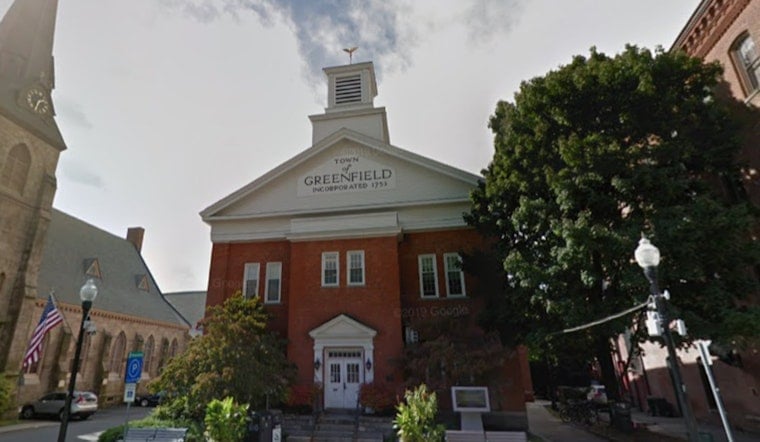
Greenfield’s Appointments and Ordinances Committee has nudged two significant measures closer to a full City Council showdown: a proposed ban on tear gas at public assemblies and a formal, long-term tax-payment plan aimed at keeping delinquent property owners out of tax title while they catch up.
One set of amendments, introduced by At‑Large Councilor Sara Brown, tightens the city’s rules for public assemblies by spelling out permit requirements for planned events, defining what qualifies as a spontaneous assembly and expanding the city’s crowd-control rules. Committee members agreed the draft should clearly state that the tear gas ban applies to the Greenfield Police Department’s use of chemical agents during crowd control. Some councilors also flagged a tension in the language, warning it might be read as both protecting civil rights and, ironically, limiting them, according to the Greenfield Recorder.
How the committee handles ordinance changes
The Appointments and Ordinances Committee reviews proposed ordinance language for form and legality before anything reaches the full council. Its meetings must be public, and under Greenfield’s rules of procedure, the committee can suggest edits and refinements ahead of public hearings and final votes. Those procedural guardrails are laid out in the city’s own City rules.
Tax-payment plan would offer longer, safer installments
The second major proposal would lock into law a practice already used by the Treasurer/Collector’s office: allowing delinquent property taxes to be paid off in installments over as long as five years, with protections against property seizure as long as the agreement is kept current and other taxes are paid on time. Committee members weighed cutting the interest rate on those plans from 16% to 8% to make them more manageable for low-income taxpayers. Finance Director Stephen Nembirkow cautioned that the city “borrows when it does not collect enough in taxes.”
The draft ordinance was written by Treasurer/Collector Mandi Whiton in collaboration with tax-title attorney Iris Leahy. It will return to committee after city staff add clearer eligibility standards and more flexibility for different kinds of payment plans, the Greenfield Recorder reported.
Legal limits and what to watch for
State law, along with past rulings from the Attorney General’s Office, puts firm limits on how cities can structure tax-payment agreements. The Attorney General has rejected local bylaws that gave treasurers too much discretion or conflicted with G.L. c.60, §62A. An AG review of a similar Deerfield bylaw spells out the kinds of restrictions Greenfield must work within, while other towns have adopted payment-agreement rules that closely track Chapter 60’s minimum requirements. For examples, see the Attorney General's decision and a model bylaw in West Newbury.
What’s next
The tax-payment ordinance is slated to return to the Appointments and Ordinances Committee once the finance office and treasurer finalize eligibility criteria and options for tailoring plans. The public-assembly amendments will be scheduled for a hearing after the tear gas language and related details are nailed down. Residents can follow the action via the City Council calendar and by watching committee meetings on the city’s public-access channel as both measures move toward potential council votes.


