

























































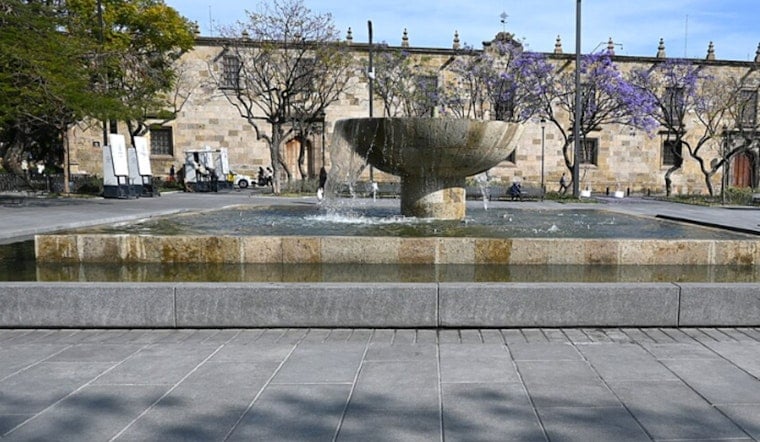
In Guadalajara’s historic center this week, relatives of the disappeared, climate activists, and labor organizers turned the city’s main plaza into a very public headache for Hyundai‑Kia, an official FIFA World Cup mobility sponsor. The coalition accused the automaker of using the tournament’s glossy branding to distract from what they call a dirty and abusive steel supply chain. Their central demand: Hyundai should hold its suppliers to account, with particular focus on steel giant Ternium, which protesters link to environmental damage and threats against local defenders. Organizers say the Guadalajara action is just the opening move in a World Cup‑timed campaign that will surface in other host cities.
Rally at Plaza de la Liberación
The demonstration kicked off at 5 p.m. in Plaza de la Liberación, where families held up photos of missing environmental and community activists, according to the Los Angeles Times. Organizers framed the rally as a pushback against what they called “greenwashing through sports,” arguing that slick sponsorship spots should not overshadow hard questions about pollution, labor, and safety. Climate groups stood beside workers and relatives of the disappeared, a deliberate mix meant to signal that the fight is bigger than one company logo or one industrial site.
Why Activists Singled Out Ternium
Hyundai was urged to “issue a red card” to Ternium, the steelmaker that protesters say supplies iron ore tied to pollution and community harm, a line of criticism also reported by The Guardian. Campaigners cite years of local complaints over air and water impacts around steel operations and argue that corporate buyers do not get a free pass just because they sit a few steps away in the supply chain. Ternium has denied responsibility for violent attacks or disappearances linked to regional conflicts around its operations. Still, critics say that corporate distancing is not the same as repairing damage or protecting communities.
Mighty Earth Report and Supply‑Chain Scrutiny
Fueling much of the outrage is a 2025 report titled “Tainted Steel” from the environmental group Mighty Earth. The analysis placed Hyundai among automakers sourcing steel and raw materials from suppliers the group describes as environmentally and socially harmful. Researchers mapped supply links and emissions, creating the kind of supply‑chain diagrams that make sustainability departments sweat. Activists have since used the report as a playbook to press Hyundai for greener purchasing rules and tougher, more transparent audits of its suppliers, arguing that the World Cup spotlight gives those demands fresh urgency.
Disappearances and Human‑Rights Concerns
Families at the Guadalajara rally also spoke about the January 2023 disappearance of human‑rights lawyer Ricardo Arturo Lagunes Gasca and Indigenous leader Antonio Díaz Valencia, cases detailed by Inside Climate News and cited by human‑rights monitors. The two men vanished after attending an anti‑mining meeting, and their abandoned truck, found riddled with bullets, has become a grim symbol for relatives demanding answers. Rights groups argue that impunity in such cases deepens mistrust of large extractive projects and the corporations that depend on them, turning every new investment into a political battle as well as an economic one.
Hyundai's Public Stance
Hyundai, for its part, points to a published Supplier Code of Conduct and says it runs audits, training programs, and due diligence checks on its suppliers, materials described in the company’s own sustainability and supplier policy documents. The company sets out expectations on labor, environment, and human rights, and says partners are required to comply. Protesters in Guadalajara were not convinced. They argued that glossy codes and policy PDFs need independent verification, public reporting, and concrete remediation plans before communities on the ground will see them as more than corporate window dressing.
Broader Labor and Rights Allegations
Organizers also cited broader labor concerns in the auto supply chain. A trafficking settlement involving a supplier to Kia and Hyundai was reported by Bloomberg Law, and watchdog groups continue to scrutinize potential links to forced labor and incarceration‑related work. For activists, those reports are cautionary tales that show why stadium sponsorships and sleek ads cannot be the whole story. They argue that the real test of a World Cup sponsor’s ethics lies in the plants, mines, and mills that sit far from the VIP suites.
What’s Next
Organizers told reporters that Guadalajara’s march is just the opening salvo in a longer campaign keyed to World Cup fixtures, including a symbolic soccer match and concert at Monterrey’s Parque Fundidora and demonstrations planned around a quarterfinal in Los Angeles, as reported by the Los Angeles Times. Activists say they also plan to press for more transparency about robot‑based surveillance systems and data collection at tournament venues, concerns that advocacy groups have been raising in recent weeks. For now, they are betting that the global glare of the World Cup will do what years of quieter complaints have not, forcing both corporations and governments to answer questions that many local communities say have been ignored for far too long.





