

























































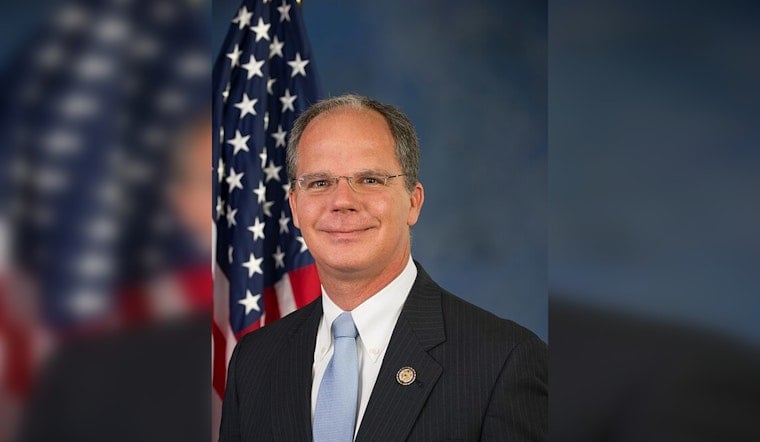
Rep. Brett Guthrie, the Kentucky Republican who chairs the House Committee on Energy and Commerce, is turning a local land-use fight into a national-security story. Earlier this month, he led a push in Washington asking federal officials to investigate whether foreign actors are stoking a wave of opposition to artificial‑intelligence projects and the data centers that power them. The June 4 request calls for a federal briefing within two weeks, pulling congressional oversight directly into battles over zoning, water use and grid upgrades playing out in small towns across the country.
In a formal June 4 letter, Guthrie and Reps. John Joyce and Bob Latta asked the co‑chairs of the President’s Council of Advisors on Science and Technology and FBI Director Kash Patel for a briefing "no later than June 18" on any evidence of foreign‑backed influence campaigns aimed at slowing U.S. AI development, according to the Energy and Commerce Committee. "Americans deserve to know who is bankrolling the disinformation campaign that seeks to block critical infrastructure investments," Guthrie said in the committee release.
What Investigators Say They Are Seeing
The lawmakers point to investigations by the Bitcoin Policy Institute and Power The Future. Those reports describe three alleged "vectors of influence": foreign state media, a network tied to Neville Roy Singham and foreign‑billionaire philanthropy. According to the studies, those channels have amplified anti‑data‑center messaging in the United States, and the overlap in funding and communications is significant enough, in their view, to warrant more federal scrutiny.
Why Critics Are Not Convinced
Reporters and advocacy groups note that the cited documents highlight financial connections and similar talking points but stop short of proving direct coordination between foreign governments and local anti‑data‑center campaigns. Several critics have branded the GOP request as an overreach. Food & Water Watch blasted the charge as a "disingenuous attack," arguing that many residents show up at hearings because they are worried about their electric bills, water supplies and neighborhood impacts, not because of overseas propaganda, as reported by E&E News.
Kentucky’s Stakes Close To Home
Those debates are not abstract in Guthrie’s backyard. In Hancock County in western Kentucky, officials are weighing a proposed data‑center campus on the site of an idle aluminum mill, a plan that has quickly become a flash point. The Bowling Green Daily News reported the project could add roughly $1 billion to local property tax rolls.
Statewide, the University of Kentucky’s EPIC report says dozens of data‑center projects are under discussion, including in Hancock County. Local officials, according to county minutes, are wrestling with questions about water demand, power draw and farmland preservation as they craft procedural safeguards and overlay ordinances.
What Comes Next
The committee’s letter asks for a briefing by June 18, and how the PCAST co‑chairs and the FBI respond will help determine whether Congress pursues more aggressive oversight or new federal policies, according to the Energy and Commerce Committee. The broader fight is already showing up in dueling national proposals: Senator Bernie Sanders and Rep. Alexandria Ocasio‑Cortez have introduced an AI Data Center Moratorium Act that would temporarily halt new AI‑scale construction while Congress writes federal safeguards, according to Sanders’ office.
Supporters of rapid buildout warn that moratoria and delays could hand a technological edge to overseas rivals. Opponents counter that city and county governments need clear authority to shield residents and utilities from potential harms. With a federal briefing expected soon and local hearings already on the calendar, upcoming responses from Washington and county boards alike will test whether outside influence or homegrown concern is driving resistance to these projects, as industry reporting has noted in DatacenterDynamics.





