

























































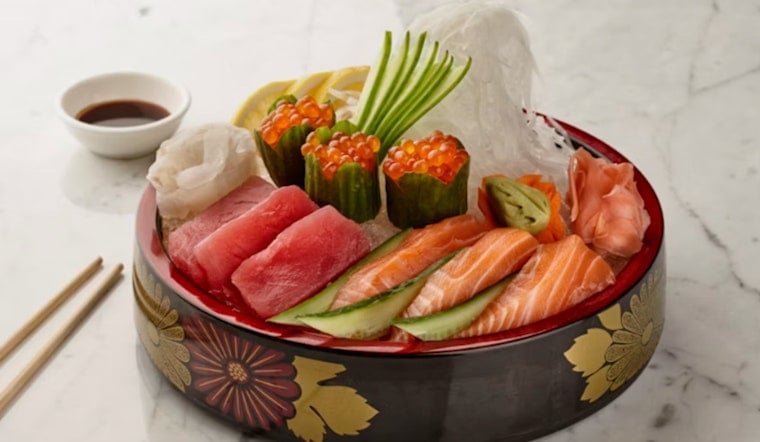
Starting Wednesday, July 1, shoppers sizing up poke and sashimi in Hawaii will see something new in the case: country-of-origin labels on raw processed ahi. The rule covers everything from supermarket seafood counters to neighborhood poke shops and is meant, state officials say, to give buyers clearer information and to protect Hawaiʻi's fishing industry.
What the law does
According to Act 238, retail establishments may not keep, offer, display, expose for sale or solicit the sale of any raw processed ahi unless it carries a label that states the country in which the ahi was landed. The statute defines "ahi" to include yellowfin and bigeye tuna, and describes "raw processed ahi" as fish that has been cut, cubed, sliced, minced or combined with other ingredients, a definition that explicitly encompasses poke, prepackaged sashimi and similar products.
Who has to comply
Retailers licensed under the Perishable Agricultural Commodities Act, which the law says includes businesses that purchase more than $230,000 of fresh or frozen produce per calendar year, are covered and must comply beginning Wednesday. According to LegiScan, that sweeps in grocery chains, many fishmongers and some wholesalers, even when the ahi is sold prepared as poke rather than as whole fish.
State enforcement and outreach
The Department of Agriculture and Biosecurity’s Quality Assurance Division, through its Measurement Standards Branch, has said it will focus on outreach and education as retailers adjust, with noncompliance potentially leading to warnings or legal action. "Consumers deserve clear and accurate information about the food they buy," Board Chair Sharon Hurd said in a statement reported by Maui Now.
Why lawmakers backed the rule
Lawmakers framed the measure as a way to close a federal loophole that allowed previously frozen, gas-treated foreign ahi to be marketed as "fresh" at retail, a practice the bill characterizes as misleading. The act also notes that the annual dockside value of yellowfin and bigeye landed in Hawaiʻi is roughly $100 million, described as the state's highest valued food commodity, a figure highlighted in reporting by the Hawaiʻi Tribune-Herald.
How sellers can prepare
The Measurement Standards Branch posts guidance and contact information for label questions on the department site, and lists an email and phone number for retailers planning changes. Retailers can consult the branch's page at Measurement Standards Branch or call the Quality Assurance Division with specific compliance questions.
Implementation and enforcement challenges
State officials have warned that enforcing labeling rules can be difficult without added inspection staff, which means early enforcement may be driven largely by complaints. Reporting on past Hawaii labeling rollouts noted that the department may rely on inspections and consumer complaints to flag issues, which could slow corrective action, according to Daily Coffee News.
For shoppers, the change means clearer origin information on poke and raw ahi products starting Wednesday. For sellers, it means updating labels and signage or risking enforcement action. Questions about how the law applies can be directed to the Measurement Standards Branch as retailers and consumers watch how the rule is enforced in the coming weeks.





