

























































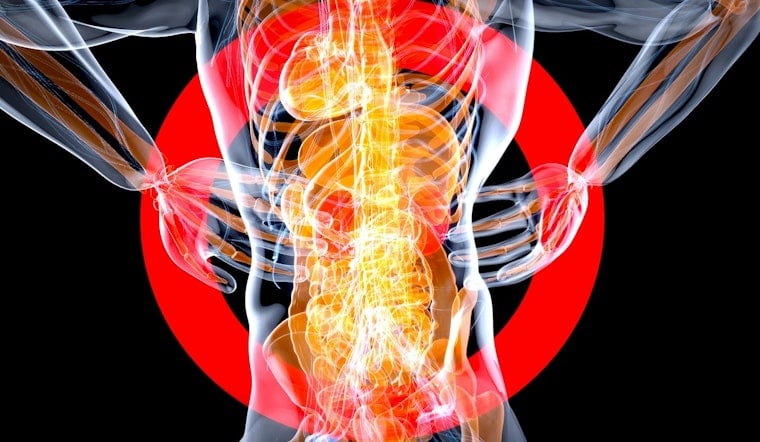
Local doctors may soon be looking at back pain in a very different light, thanks to new research that spotlights a previously overlooked lymphatic network running along the spine. Early work on this system suggests the backbone is not just a stack of bones and discs to be braced, fused or stretched, but a key part of the body’s drainage and immune circuitry. That shift could matter for anyone dealing with back trouble, disc disease or even age-related changes in brain health, because it ties spinal tissues to waste clearance, inflammation and long-term decline.
The Study And What It Found
A March 2026 review in Bone Research pulled together animal and human data showing lymphatic vessels along the spinal dura, the epidural space, vertebral bone and even intervertebral discs. The authors highlight imaging and tracer studies that connect the spinal meninges with paravertebral lymphatics and suggest this network may help drain cerebrospinal fluid while shaping local immune activity. Backing that up, a separate 2025 study in The Innovation reported lymphatic markers inside healthy discs, adding experimental support for the broader claim.
Why This Matters For Brain And Spine Health
The spinal lymphatic findings slot into a growing research wave that links the brain’s waste-removal systems to how we age cognitively. A 2025 systematic review in The Journal of Prevention of Alzheimer’s Disease reported that aging appears to weaken glymphatic and meningeal clearance, and scientists are now probing ways to restore those routes. If spinal lymphatics play a real role in cerebrospinal fluid outflow, then problems in that network could, at least in theory, worsen inflammation or protein buildup that harms nerves and speeds degeneration. The idea is still early, but anatomists and neurologists are paying attention.
How Lymph Moves And Signs Of Sluggish Flow
Unlike blood, lymph does not have a central pump; it moves with breathing, skeletal-muscle contractions and the built-in pumping action of lymphatic vessel walls, according to the Cleveland Clinic. Standard anatomical references tally several hundred lymph nodes around the body, and StatPearls puts the count close to 800. When lymphatic clearance is disrupted, it can show up in many ways, such as puffy faces on waking, swollen neck or groin nodes, heavier legs, slow-healing cuts and skin problems. A 2025 scoping review in Cureus links lymphatic dysfunction with inflammatory skin conditions and delayed wound repair.
A Five‑Minute Morning Routine To Kick-Start Flow
For everyday support, you do not need gadgets or a spa membership. A simple five-minute routine, highlighted in wellness guides and recent reporting, can help nudge lymph along. The sequence, outlined in Charlotte Observer coverage of the research, includes diaphragmatic breathing, light strokes around the neck and collarbones, brief activation of the armpit and groin areas, ankle pumps and a glass of water first thing in the morning. The physiology behind the breathing step is detailed in a practical protocol on PMC, which describes the thoraco‑abdominal pump that helps draw lymph toward the thoracic duct. The emphasis is on gentle motion and a steady rhythm, not deep-tissue work.
When To Call A Clinician
These self-care tactics are meant for general maintenance, not diagnosis or treatment. Persistent, unexplained swelling in one limb, a lymph node that stays enlarged or new swelling after cancer treatment should prompt a medical evaluation, the Cleveland Clinic advises. Anyone with cardiovascular disease, an active infection or questions about new symptoms should check in with a clinician before starting lymph-focused therapies.
The evolving spinal lymphatic map is early-stage science rather than a how-to manual, but it recasts the spine as part of a body-wide clearance network and opens fresh paths for research and potential therapies. For patients and providers in Charlotte and beyond, the practical takeaway stays refreshingly simple: movement, deep breathing and basic lymph-friendly habits are low-risk ways to support a system researchers are only beginning to chart, Bone Research argues.





