

























































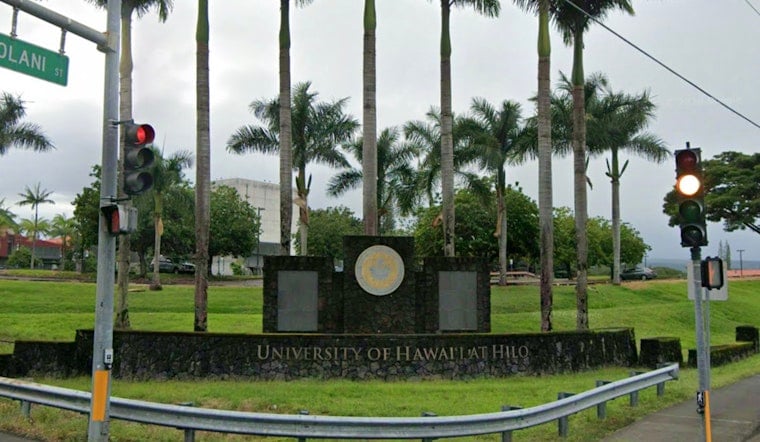
The University of Hawaii at Hilo has locked in a core role in a new federal aquaculture institute aimed at boosting American-grown seafood. UH Hilo’s Pacific Aquaculture and Coastal Resources Center will lead the local team as one of five core consortium members in the Cooperative Institute Fostering Aquaculture Research and Markets, or CIFARM. The effort comes with an initial federal investment of about $13.5 million and is designed to grow sustainable aquaculture across the United States.
A nationwide push to grow U.S. seafood supply
The University of New Hampshire will serve as the host institution for the new Cooperative Institute, which NOAA launched to ramp up aquaculture research and markets at a national level, according to the University of New Hampshire. The institute’s charge includes backing demonstration farms, engineering and technology development, environmental observation and forecasting, and risk and market analyses, all intended to chip away at the country’s reliance on imported seafood.
Hawaii scientists weigh in
“Being selected as a core member of CIFARM is a testament to the decades of world-class aquaculture research happening right here in Hawaii,” said Chatham Callen, who leads the UH Hilo team. Norman Arancon, director of UH Hilo’s College of Agriculture, said the partnership highlights the university’s role in advancing sustainable aquaculture that can support food security and new economic opportunities. The UH group will partner with USAPI researchers, including the University of Guam Sea Grant and the Marine and Environmental Research Institute, strengthening regional ties, according to Spectrum News Hawaii.
What CIFARM will study
NOAA has framed CIFARM around five main research themes: marine aquaculture demonstration, engineering and technology development, environmental observation and forecasting, risk management, and seafood market analysis. The aim is to move research off the whiteboard and into working farms. Priorities include using tools such as artificial intelligence to fine-tune farm operations and deploying environmental forecasts that help safeguard production, per NOAA Fisheries.
Local facilities could host national pilots
UH Hilo’s PACRC already operates hatcheries, land-based grow-out systems, and a bivalve program at its Keaukaha site, giving Hawaii Island a ready-made testbed for CIFARM demonstration projects. The center’s hands-on training and community partnerships put Hilo in a strong position to host pilot farms and workforce development tied to the new institute, according to UH Hilo’s PACRC.
Why it matters for Hawaii
Supporters say CIFARM could translate into new jobs, specialized training, and stronger market connections for coastal communities as domestic production ramps up and dependence on imports eases. The initiative is designed to deliver concrete benefits for coastal regions and consumers while creating room for economic growth as sustainable aquaculture expands, according to the University of Southern Mississippi.
What's next
The institute will run under a cooperative model with NOAA and academic partners during an initial five-year period while it funds research and demonstration projects. The University of New Hampshire says researchers will issue competitive calls for project proposals and coordinate with regional partners to move new technologies from the lab into the water.




