

























































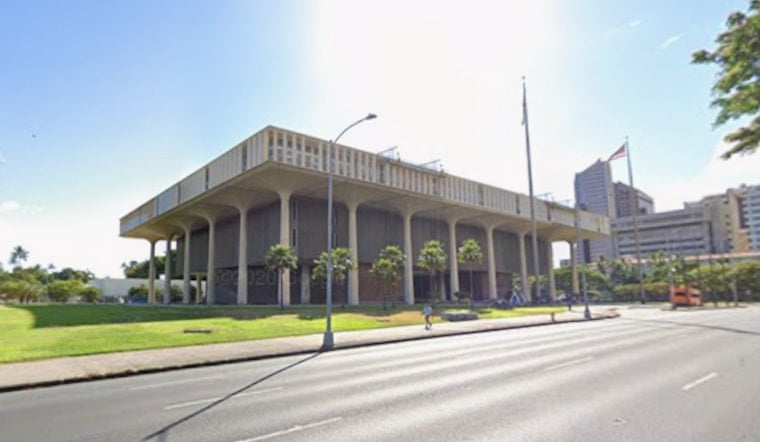
A Honolulu judge has slapped down a series of closed-door meetings held by a Hawaii House advisory committee ahead of the 2025 legislative session, ruling that the secrecy violated the state constitution. The decision centers on a Jan. 2, 2025 gathering of the House Advisory Committee on Rules and Procedures and reignites scrutiny over how lawmakers quietly organize rulemaking and committee work that can determine which bills live and which bills die.
Judge Ashford's ruling
In a written order, Circuit Judge James Ashford found that the committee's private deliberations ran afoul of Article III, Section 12 of the Hawaii Constitution, according to the Honolulu Star-Advertiser. At the same time, he rejected the plaintiffs' separate contention that the meeting violated Chapter 92 of the Hawaii Revised Statutes, the state Sunshine Law, drawing a line between the constitutional open-meetings mandate and the law's statutory carve-outs. The order also turned down the House's motion for summary judgment, which means factual questions remain and the case is not over yet.
How the case got to court
The lawsuit was brought by a group of registered voters led by former state senator Laura Acasio, who the complaint says filed as a private citizen and would have shown up for the Jan. 2 meeting if it had been open to the public, as reported by the Hawaii Tribune-Herald. Other named plaintiffs are Tanya Yamanaka Aynessazian, Douglas and Karen Cobeen, Michaela Ilikeamoana Ikeuchi, Robert Hale Pahia, Kaʻapunialiʻionalanikiʻekiʻe Kanaloa Aiwohi and Sergio Josephus Alcubilla III, all described in the complaint as registered voters shut out of the process. The case stayed alive when First Circuit Judge Shirley Kawamura last year denied an earlier motion to dismiss, which cleared the way for Ashford's more recent ruling and the possibility of a trial.
What the Constitution requires
Article III, Section 12 of the Hawaii Constitution states that "Every meeting of a committee in either house ... held for the purpose of making decision on matters referred to the committee shall be open to the public," a standard the court leaned on in finding a constitutional violation; the full text is available on Justia. According to the plaintiffs, that language reaches beyond routine floor sessions to cover organizational or pre-session gatherings once they stray into actual decision-making. Open-government advocates say the dispute could help define whether these behind-the-scenes planning meetings are subject to the same public access rules as regular committee hearings.
What's next
House Speaker Nadine Nakamura handed questions to the Department of the Attorney General, and the office "is still reviewing the court's order," the Honolulu Star-Advertiser reported. Acasio called the ruling a win for residents who expect their government to do its business where the public can see it, and attorneys for the plaintiffs said the order reinforces the public's right to oversee how House rules are made. It is not yet clear if the House will try to appeal; for now, the denial of summary judgment keeps the case alive and sets up further briefing or a possible trial on the remaining issues.



