

























































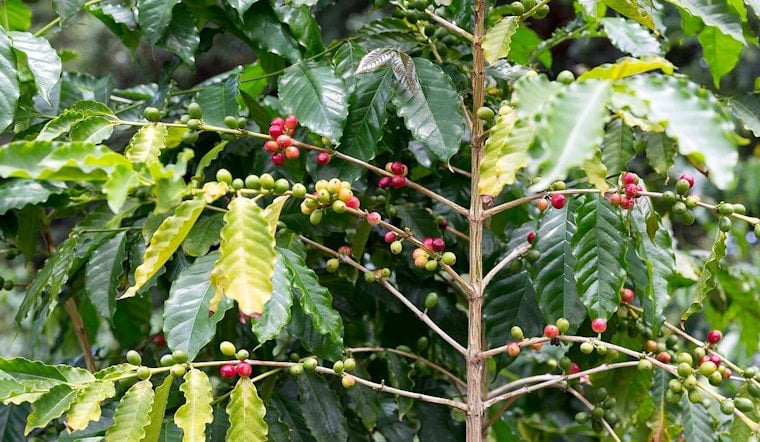
In Honolulu grocery aisles that used to smell like fresh-ground paradise, shoppers are now greeted by locked plexiglass cases where bags of Kona coffee once sat within easy reach. Retailers say the island's signature beans have turned into grab-and-go gold for shoplifters as Kona prices have climbed in recent years.
People who work in the industry, along with former law enforcement, say the formula is not complicated: when prices rise, so do the potential profits for thieves. As reported by Hawaii News Now, part-time coffee worker Mitchell Kimura said a bag that once sold for about $10 now goes for $20 or $30, and retired Honolulu deputy police chief John McCarthy warned that "the crooks take advantage of this vulnerability." Dave Erdman, interim president of the Retail Merchants of Hawaii, told the outlet that putting products behind glass or investing in more staff and technology "costs money," and many local shops operate on thin margins.
How Hawaii Law Shapes Store Responses
State law is a big part of how retailers decide what to do next. Under the Hawaii Revised Statutes, theft under certain dollar amounts is treated as a misdemeanor, which means many low-dollar shoplifting cases come with relatively light penalties. Police and merchants say that reality can weaken any fear of getting caught, so some stores are choosing locked displays and other security measures instead of relying on repeat prosecutions to slow the thefts.
A Familiar Island Hustle
Veteran retailers say they have seen this movie before, just with different products in the starring role. Reporting from Patch documented earlier waves in which Spam and other pantry staples were swiped in bulk and pushed into a resale market. Merchants say the pattern is stubbornly consistent: find a high-demand item that is easy to move, take advantage of light penalties, then keep going until stores change how and where they display the goods.
What Shoppers Can Do
Retail workers and industry representatives say regular customers are not just bystanders in this story. They can help by steering clear of suspiciously cheap Kona from unfamiliar sellers and by reporting thefts when they see them. As Hawaii News Now relayed, Mitchell Kimura advised, "If there is cheap coffee being sold by people you don't know, maybe you should not buy it," arguing that every bargain bag of stolen beans only fuels the underground trade. For stores weighing security upgrades, it is an expensive balancing act between keeping shoppers comfortable and keeping the coffee on the shelf.
For now, the sight of locked brown bags has become part of the island shopping routine, another small reminder that even basic grocery runs are caught up in bigger economic and legal crosscurrents. Whether lawmakers or law enforcement step in with new strategies is still an open question, but local merchants say they will keep finding ways to guard their Kona, one plexiglass case at a time.





.jpg)