

























































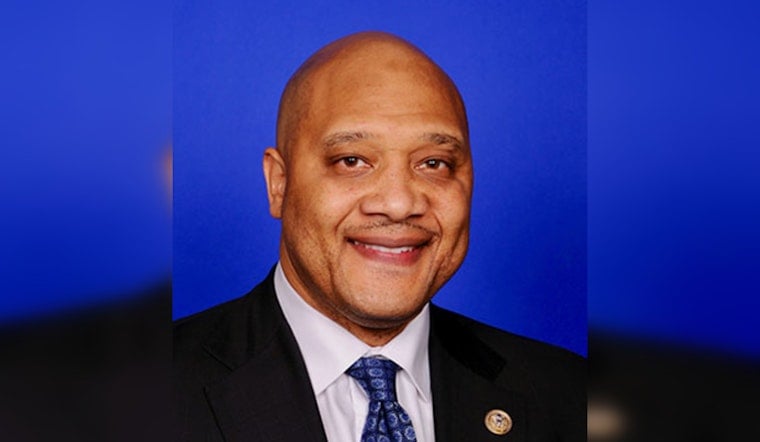
U.S. Rep. Andre Carson is trying to keep summer from getting a lot hungrier for Indiana kids. On Thursday, he introduced the Summer Meals for Kids Act, a proposal that would fold the federal Summer Electronic Benefit Transfer program into the National School Lunch Program and require every state to participate. Carson’s office says the goal is to close the summer nutrition gap for children who count on school meals during the academic year. The move comes after Indiana officials announced they will not run SUN Bucks in 2026, a decision Carson argues could leave hundreds of thousands of Hoosier children without summer grocery help.
What’s in Carson’s bill
Under Carson’s plan, Summer EBT would no longer be a separate, optional program that states can walk away from. Instead, it would be integrated into the National School Lunch Program so that eligible families automatically receive summer grocery benefits, replacing the current opt-in framework. Carson’s office frames it as a simple principle of consistency: “the national school lunch program ensures kids are well-fed during the school year and should guarantee the same during the summer.” The proposal is intended to make summer support as routine as school-year lunches, not a yearly game of political chicken. As reported by WANE.
Why Indiana opted out
Indiana is one of several states that has chosen not to operate SUN Bucks in 2026. State officials say the agency running the program does not have enough money or staff power and estimate it would take an additional $5 to 7 million to administer it. The state did run a version of the benefit in 2024, but officials now point to federal rule changes and increasing administrative pressures tied to SNAP as reasons they are stepping back. Those explanations, along with the cost estimate, were laid out by state leaders when they defended the opt-out decision. As reported by Indiana Public Media.
How Summer EBT works
Summer EBT, better known as SUN Bucks, provides a one-time $120 benefit per eligible child each summer. Families can spend that money at participating grocery retailers to help replace the breakfasts and lunches kids lose when school cafeterias close. The program was authorized at the federal level and began rolling out nationally in 2024 as part of a broader effort to cut summertime food insecurity for children. Federal program guidance describes the $120-per-child benefit and lays out automatic eligibility pathways that tie into existing school meal programs. As outlined by the Congressional Research Service.
Advocates push back
Anti-hunger advocates say Indiana’s decision to sit out SUN Bucks is not a minor paperwork choice, it is a big hit to family budgets. About 660,000 Hoosier children received Summer EBT benefits in 2024, and advocates warn that skipping another year will deepen summer food insecurity. Emily Bryant of Feeding Indiana’s Hungry told reporters the program had been “very successful” at reducing summer hunger and urged state leaders to reconsider their opt-out. That pushback has helped cast Carson’s bill as a direct response to states that are refusing to run the benefit. As reported by Indiana Capital Chronicle.
What to watch next
Carson’s bill would flip the script from a state-by-state opt-in system to default national participation tied to the school lunch program. That sets up a likely fight over how far federal authority should go, how states manage their budgets and who shoulders the administrative work. The measure still has to be formally introduced and sent to committee, and its fate will depend heavily on how many cosponsors sign on and whether governors and state agencies can be persuaded to live with a stronger federal model. For Hoosier families staring down a summer without SUN Bucks, supporters are selling the bill as a straightforward fix to what they see as a preventable hunger gap.





