

























































Every June, Charlotte swaps its usual weekend rhythm for drum circles, parades and sprawling block parties, as neighbors, churches and civic groups throw themselves into Juneteenth with music, food and marches. What started as a few scattered observances has grown into a multi-day stretch of events that now pull thousands into Plaza Midwood and other pockets of the city. It all traces back to June 19, 1865, when enslaved people in Galveston, Texas, were finally told they were free, a turning point that is now remembered nationwide as Juneteenth.
How Juneteenth Took Root Here
The first documented Juneteenth celebration in the Charlotte area landed on June 19, 1977, when the Charlotte Equal Rights Congress hosted a local observance, according to The Charlotte Observer. The paper notes that community figures such as the late historian Thelma McKoy helped carry the tradition forward and described Juneteenth as a way to “educate our youth” about the city’s past. Over time, those modest gatherings grew into parades, church services and neighborhood fairs that set the stage for Charlotte’s larger festivals.
From Galveston To A National Holiday
Juneteenth marks the day Union troops finally enforced the Emancipation Proclamation in Texas, when Maj. Gen. Gordon Granger issued General Order No. 3 in Galveston on June 19, 1865, a piece of history preserved by the National Archives. In recent years the observance leapt from local calendars to the federal level when Congress passed the Juneteenth National Independence Day Act and President Joe Biden signed it into law in June 2021, according to the American Presidency Project. Activists such as Opal Lee, often called the “grandmother of Juneteenth,” helped drive the effort to Washington and were present at the bill signing, per AP News.
Plaza Midwood And The Festival Scene
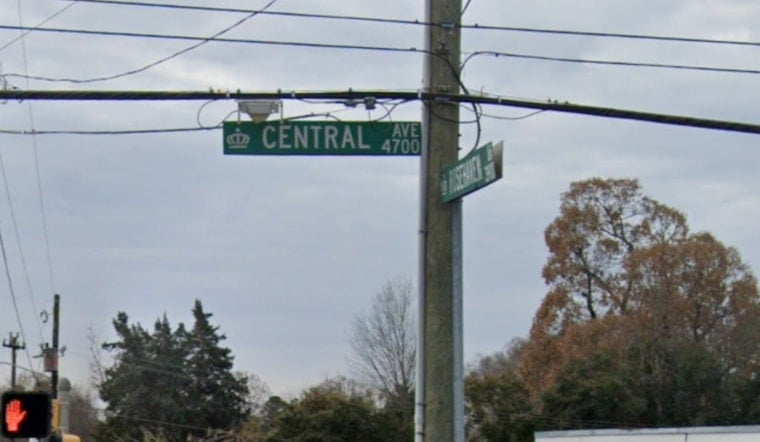
Charlotte’s longtime Juneteenth anchor is the Juneteenth Festival of the Carolinas, which centers most activities in Plaza Midwood and currently lists a June 18 to 21, 2026 schedule, including a freedom march that begins at Skyla Credit Union and ends near the House of Africa, according to the Juneteenth Festival of the Carolinas. The annual festival, together with other events around the city, now attracts crowds that by some counts top 10,000 people, placing Charlotte’s commemorations among the largest Black Independence Day celebrations in North Carolina, according to The Charlotte Observer. State leaders gave Juneteenth formal recognition in 2007 when it was acknowledged as a state observance through session law enacted by the North Carolina General Assembly.
Neighboring Towns Keep Their Own Traditions
The celebrations do not stop at the county line. In nearby Rock Hill, the calendar includes gatherings at Fountain Park, a Freedom Fest at Clinton College and church services that weave Juneteenth into worship. Former councilwoman Sandra Oborokumo told the Rock Hill Herald that the events “recognize the fact that our people are resilient.” Those observances fit into a broader regional pattern of neighborhood-led commemorations that mix history, faith and shared meals.
What’s Different This Year
This time around, the lineup comes with a few twists. The Durag Festival, which has often run alongside Juneteenth weekend at Camp North End, is on pause for 2026, organizers told Axios, a shift that could change where crowds and performers land. The modern Juneteenth Festival in Charlotte traces its contemporary run to organizer-led efforts that began in the late 1990s, and local reporting notes that the festival was founded by Pape S. Ndiaye in 1997 and has gradually grown into a multi-day event, per WBTV. Those programming moves show how Charlotte’s Juneteenth scene keeps evolving while holding tight to its core traditions.
Why It Still Matters
For the organizers, artists and clergy who pour their energy into the weekend, Juneteenth in Charlotte is both a celebration and a lesson plan. The events honor a difficult history while giving families a concrete way to pass that story on. From small church picnics in the 1970s to the packed stages of Plaza Midwood today, Juneteenth has become a practical tool for keeping the city’s history visible and its intergenerational storytelling alive.





