

























































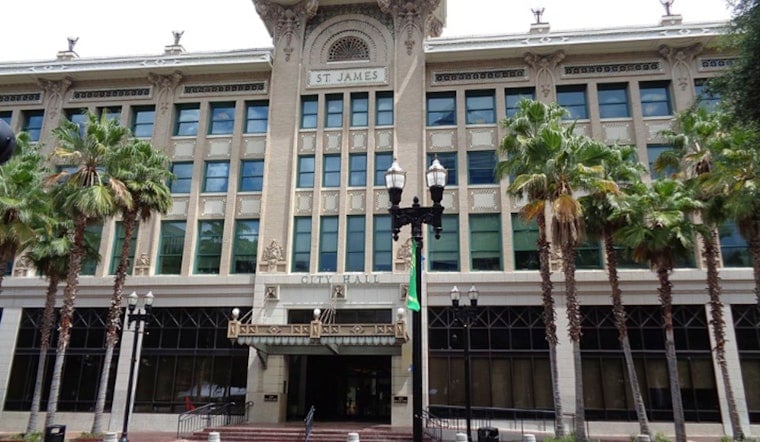
Jacksonville is getting ready to put 15 long-quiet, city-owned lots to work for affordable housing, after a key set of council committees signed off on an ordinance to move the parcels into the city’s official housing pipeline. The measure, introduced by Mayor Donna Deegan, cleared both the Rules Committee and the Neighborhoods, Community Services, Public Health and Safety Committee unanimously on Monday and now heads to the Finance Committee before a full council vote next week. City staff say the lots are mostly small residential parcels west of the St. Johns River, with a combined in-progress value of just over $200,000.
As reported by Action News Jax, the Rules Committee voted 6-0 and the Neighborhoods committee voted 7-0 to move the ordinance forward. Bill No. 2026-0458 would formally certify the new affordable housing inventory for Council consideration. Under Florida law, municipalities must prepare and adopt an inventory of properties that are appropriate for affordable housing at least once every three years.
How donations work under city code
Under Section 122.423 of the City of Jacksonville Ordinance Code, any parcel placed on the affordable housing list can be donated to nonprofit housing providers on a first-come, first-served basis during an initial 30-day exclusive window. After that, there is a 60-day period that opens the door to other qualified entities. The code requires donated land to be developed as permanent affordable housing within three years, although the city can extend that deadline by up to two years for good cause. It also lays out technical criteria, including that the land must be buildable, close to utilities and outside flood zones. Once the list is adopted, the ordinance calls for educational workshops so potential applicants know how to navigate the program.
Neighbors want empty houses fixed
The mayor’s office told Action News Jax that three years ago the city authorized 41 parcels for donation, and most of those properties have either been used or are in the pipeline. Of that earlier batch, 37 parcels were donated to nonprofit organizations. The city reported that 18 projects were completed or released, 12 received extensions, two reverted back to the city, and five are in noncompliance and under enforcement review. Residents living near several of the newly listed lots say they are more than ready to see long-vacant properties get some love. “If they would rehabilitate these houses it’ll make the neighborhood look a lot better,” Leonard Kinsey told the station.
What comes next
The mayor’s office says the application cycle for this new round of parcels is expected to open in late summer, with the city planning workshops for nonprofit developers that want in. Minimum criteria call for applicants to be nonprofit housing providers with a track record in real estate development and enough financial capacity to actually finish what they start, according to the city. With only 15 lots in this batch, staff are already warning that the competition will likely be stiff.
Why it matters
Turning city land into affordable homes is a relatively low-cost way to add housing in neighborhoods that have not seen much recent investment, although it depends heavily on nonprofit developers and outside financing to carry projects across the finish line. The move lines up with broader momentum to unlock public and faith-institution land for housing across Jacksonville, a trend examined earlier in Hoodline’s earlier coverage.



