

























































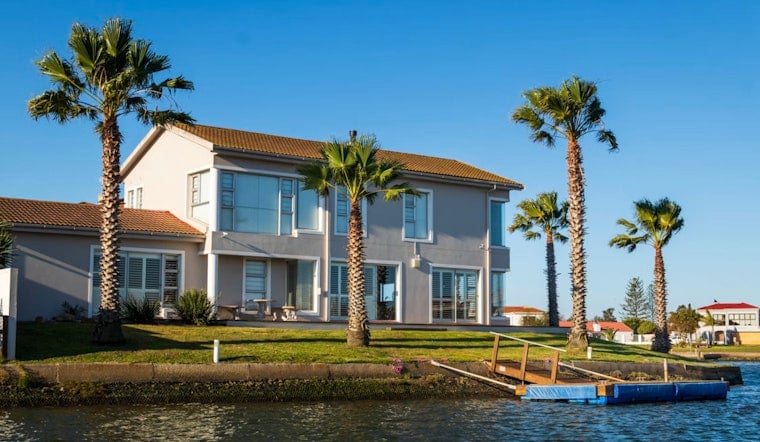
The pandemic-era vacation-home party is officially over in Hawaii. Mortgage-financed second home purchases plunged 77.8% between 2021 and 2025, putting the islands among the steepest retreaters in the nation for leisure real estate. On Maui, the Kahului metro was hit even harder, with purchases dropping about 85.2%, while the United States overall saw a roughly 65.8% decline in mortgaged vacation-home originations over the same stretch. With the median mortgaged vacation home in Hawaii hovering near $990,000, many would-be buyers are either getting priced out or quietly looking for other ways to get their island fix.
Those figures stem from an analysis of Home Mortgage Disclosure Act records by SellMyTimeshareNow that was broken down for local readers by Maui Now. The study shows Hawaii's mortgaged vacation-home purchases falling from 2,156 in 2021 to 478 in 2025, a 77.8% slide. Kahului's metro clocked about an 85.2% drop in that same period, while U.S. originations fell from 257,549 to 88,158, or about 65.8%. The report also found that vacation homes made up roughly 4.9% of mortgage originations in Hawaii in 2025 and pegged the median mortgaged vacation-home value near $990,000.
Vacation-rental demand is mixed
State tourism data tell a more nuanced story. Nightly rates have bounced back, but booking volumes still lag pre-pandemic norms. According to the Department of Business, Economic Development & Tourism's June 2025 Vacation Rental Performance Report, Maui County's vacation-rental occupancy was about 45.3% in June 2025, with an average daily rate around $463.72. Statewide occupancy came in near 46.7%, a reminder that fewer nights are being booked even as per-night prices stay lofty. That split, higher ADRs but softer booking volumes, helps explain why mortgage-backed second-home purchases are cooling even in places where owners can still command premium nightly rates.
Maui policy is changing the math for owners
Local policy shifts are also reshaping the numbers for investors and part-time residents. Maui County's Bill 9 phases out transient vacation rentals in apartment-zoned condos on a staggered timetable, an effort to steer more units back into the long-term housing pool. Local Realtors and the Realtors Association of Maui report that the threat of losing short-term rental rights, combined with rising taxes and insurance costs, has pushed many condo owners to list their units and has driven sharp condo price adjustments in several Maui submarkets. That ripple effect, more listings and more regulatory uncertainty, is a key reason Kahului and other tourism-heavy metros are seeing especially steep drops in mortgage-backed purchases.
Timeshares and other options are gaining
Not every would-be vacation-home buyer is walking away from the islands. SellMyTimeshareNow notes that the timeshare sector has grown significantly from its pandemic low point, with U.S. timeshare sales volume climbing from about $4.9 billion in 2020 to roughly $10.5 billion in 2024 and continued marketplace interest clustering in Hawaii and Florida. For travelers who still want regular island access without swallowing a jumbo mortgage, timeshares, managed rentals and other fractional models are looking more attractive.
For local buyers, the cooling second-home market could mean more inventory to choose from and better negotiating leverage, particularly in condo-heavy areas such as Kahului where for-sale counts and days on market have moved higher. The flip side is familiar in tourism communities: fewer owner-occupied visitors can translate into less year-round spending and more uncertainty for hospitality workers and small businesses. Nationally, Redfin's analysis shows second-home mortgages sitting at multiyear lows, underscoring the affordability and interest-rate pressures that are redefining who can afford a piece of paradise. Local market trackers such as Realtor.com are capturing the inventory and price moves that buyers, sellers and policymakers will be watching next.





