

























































Sections of a patch reef in Kāneʻohe Bay are now literally under wraps, as state and federal crews stretch massive impermeable tarps over the coral and pump in concentrated chlorine below. It is a tightly targeted strike on an invasive manjano anemone, and officials say the early results are grim news for the intruder but good news for the reef, with substantial die-off already recorded in treated zones while teams keep sweeping the bay for satellite colonies.
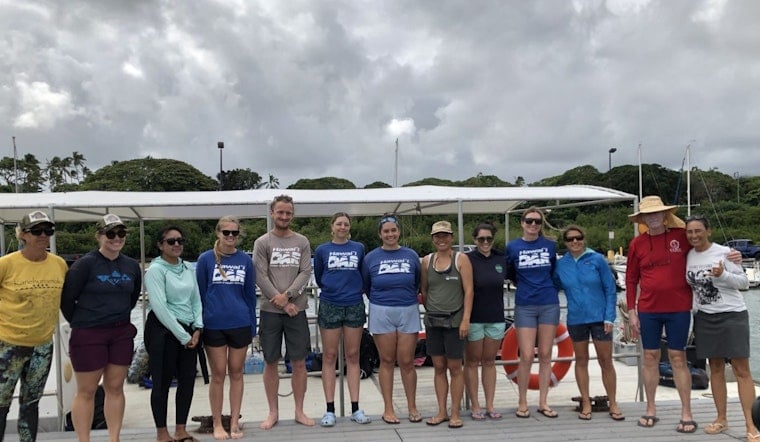
In a press release, the Department of Land and Natural Resources detailed how crews deployed four impermeable tarps, each about 40 by 60 feet, then sealed the edges with sandbags before injecting high-concentration chlorine beneath the covers. Two of three treatment sections are finished, and more than 600 sandbags are holding the system in place. DAR aquatic biologist Jesse Boord called it a coordinated push and stressed that “this isn’t a unilateral effort,” crediting state and federal agencies along with local partners, according to the department.
How crews are treating the reef
The emergency response hinges on containment and control: fencing the problem in, then flooding it with chemicals under strict safeguards. Crews apply chlorine under the tarps, neutralize any remaining oxidants before the covers come off, and continuously monitor the surrounding waters for changes. A proclamation from the governor that authorizes the work spells out those requirements, including neutralization with sodium thiosulfate and tight monitoring, and notes that the U.S. Army Corps of Engineers cleared the in-water operation under Department of the Army permit POH-2025-00078. The operational and reporting rules are laid out through the Governor's Office.
Where officials think it came from
The invader did not appear out of nowhere. Local divers and researchers first spotted the species in Kāneʻohe Bay in 2020, and scientists now suspect the outbreak traces back to aquarium releases and illegal “fragging” of coral that can carry hitchhiking anemones. Honolulu Civil Beat reported that state biologists found small majano anemones on planted invasive coral in 2020 and warned that hobbyist releases and the black-market coral trade continue to provide a recurring pathway for new introductions.
Why lawmakers and agencies moved fast
At the Capitol, lawmakers were worried enough to put real money behind a rapid strike. Through Act 104 of the 2025 session, they earmarked funding to support DAR’s removal campaign, citing the risk that invasive anemones pose to Hawaiian reefs. The state then leaned on emergency authority and interagency coordination to speed up permitting and on-the-water work. The appropriation and legal footing for that response are documented by the Hawaii State Legislature.
How you can help
Officials are blunt about one thing: if the anemone keeps getting free rides, they will be playing catch-up for years. The species can cling to fins, anchors, and other gear, and even tiny fragments can regenerate into new colonies. DLNR urges ocean users to carefully inspect and rinse equipment, report unusual sightings, and never release aquarium species into the wild.
For now, the campaign is a race against the clock to pin the infestation to the current treatment area and shield neighboring reefs. Whether those tarps and chlorine buys the islands enough time will come down to vigilance across the board, from agency scientists to weekend divers keeping an extra-close eye on what is growing beneath the surface.





