

























































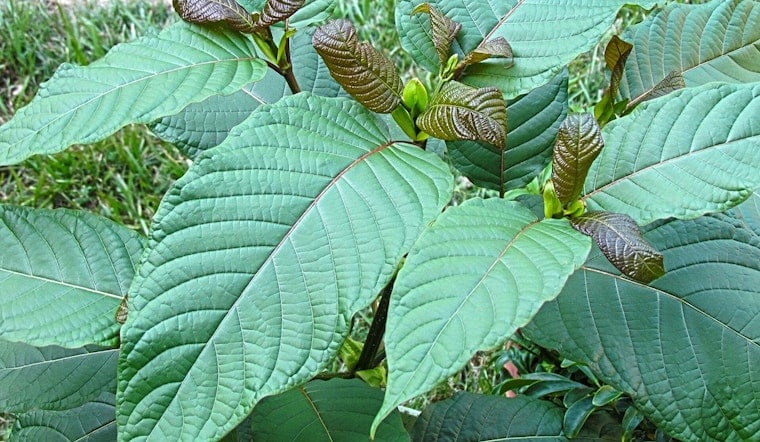
The Oklahoma Office of the Chief Medical Examiner is sounding the alarm after its toxicology lab found mitragynine-related substances, the active alkaloids in kratom, in dozens of fatal overdose cases. Between January of last year and May of this year, the lab documented 58 deaths involving one or more mitragynine-related compounds. Tulsa County accounted for 14 of those cases and Oklahoma County nine, with cases stretching across 24 counties. Investigators say the products showing up in recent deaths are increasingly concentrated tinctures and tablets rather than traditional leaf-based kratom.
KOKH reports that the Office of the Chief Medical Examiner and the Oklahoma Bureau of Narcotics issued a public notice this week after the spike emerged in routine casework. Chief Forensic Toxicologist Jesse Kemp told the station that the market has shifted away from plant material and toward concentrated mitragynine tinctures and tablets that can act in an opioid-like way. Oklahoma Bureau of Narcotics spokesman Mark Woodward added a legal reminder, warning, "It is illegal in Oklahoma to sell any Mitragynine alkaloid that is above 1% 7 hydroxy."
What the lab is finding
A report in the Journal of Forensic Sciences describes how mitragynine was measured in postmortem specimens from Oklahoma cases and found at widely varying levels. The authors note that femoral blood concentrations ranged broadly and that mitragynine appeared on death certificates in numerous cases, often alongside other substances. They argue that quantifying the drug is crucial when determining cause of death in these complex polydrug situations.
A national pattern
What is happening in Oklahoma tracks with a broader national picture. The CDC recently reported a sharp rise in kratom-related exposure calls to poison centers in 2025, tied in part to high-potency and semi-synthetic products such as 7-hydroxymitragynine. Public-health analyses note that these concentrated formulations have been associated with more hospitalizations and serious outcomes, especially when people use them along with opioids or benzodiazepines. Experts say those multi-drug exposures make both emergency care and toxicology interpretation harder.
Where the law stands
Under Oklahoma law, there is a clear distinction between natural kratom leaf products and concentrated or synthetic alkaloids. The state’s Kratom Consumer Protection Act and later updates ban synthesized mitragynine derivatives and set a low legal ceiling on 7-hydroxymitragynine content in retail items. As explained in the Oklahoma statutes, products that exceed the permitted level of 7-hydroxymitragynine are prohibited, and sellers who put them on shelves can face administrative penalties.
Families sounding the alarm
For families, the warning is not abstract. Kimberly Bounds, whose son Zachary Young died in 2021, told KOKH that Young had about three times the legal driving limit of kratom in his system at the time of his death. She urged other parents to take the state’s message seriously, saying, "It's not good, and I just don't want to see another parent have to bury their child over something because it's not safe."
How to reduce risk
Health officials advise steering clear of concentrated or unlabeled kratom products and warn against mixing kratom with opioids, benzodiazepines, or other sedatives. The Oklahoma Department of Health offers naloxone information and an overdose-data dashboard so residents can locate resources and follow local trends, and the state’s public pages include treatment and harm-reduction information.
State forensic and narcotics agencies say they will keep tracking toxicology results and will update residents as new data comes in. For official advisories and contact details, visit the Office of the Chief Medical Examiner and check with your local health department.


