

























































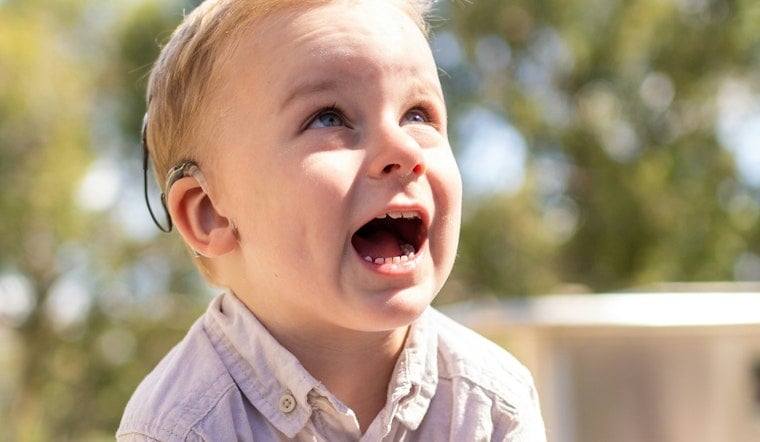
Harvard-Westlake tennis standout and CIF champion Chase Klugo is trading his racket for the Capitol halls, pressing California leaders to expand hearing aid coverage for children and young adults. Klugo, who uses hearing aids for moderate to severe hearing loss, is urging lawmakers to write language into the 2026–27 state budget that would require private health plans to cover pediatric hearing aids. With the Legislature and governor racing toward a June 15 budget deadline, advocates say the window to change how the state pays for these devices is tight but still open.
Klugo has joined forces with advocates in the Let California Kids Hear coalition to push a budget fix that would shift primary responsibility for pediatric hearing aids to private insurers instead of relying almost entirely on a small state program, according to the Los Angeles Times. The paper reports that Klugo has spent months in Sacramento, meeting with lawmakers and telling his own story in an effort to highlight how steep out-of-pocket costs lead many families to delay, scale back, or skip treatment altogether.
Why advocates want a mandate
Supporters say private insurance coverage is inconsistent at best. Prescription hearing aids can cost thousands of dollars, with some premium pediatric models cited around $6,000 per pair, while only about one in 10 California children reportedly have hearing aids covered by their private plans. According to Let California Kids Hear, that gap leaves thousands of children without reliable access to amplification. The World Health Organization has emphasized that identifying hearing loss and starting intervention before six months of age can dramatically improve speech, language, and social development. Pricing analyses from ConsumerAffairs show that top-end prescription devices reach the cost levels advocates describe.
State program falling short
Advocates also point to California’s stopgap Hearing Aid Coverage for Children Program, known as HACCP, as a sign that the current approach is not reaching many of the kids who need help. The Los Angeles Times reported that HACCP had about 314 active participants as of April, despite a roughly $30 million allocation. Policy briefings indicate Gov. Gavin Newsom has signaled he prefers expanding that state-run program instead of imposing a broader private-insurer mandate, citing concerns about legal precedent and the impact on insurance premiums, according to CalMatters.
How Klugo is trying to influence the budget
Klugo and coalition leaders are asking budget writers to add trailer bill language that would move pediatric hearing aid coverage into the large-group market so that employer health plans become the main payer. The idea appears in the Senate’s budget materials as a proposal framed as an investment that could reduce pressure on the state’s General Fund. The strategy is designed to expand coverage in the private market, where many families already get insurance, while keeping HACCP as a safety net for those without employer-based plans, according to the Senate budget packet.
Legislative backdrop
Lawmakers have tried a more direct fix before. SB 635, known as the Let California Kids Hear Act, cleared the Legislature but was vetoed by Gov. Newsom in 2023. The bill language laid out the kind of private insurer mandate that advocates are again seeking. The framework in SB 635, along with coalition materials, outlines a benefit model that could be put in place either through a standalone statute or through budget trailer language, depending on how Sacramento chooses to balance politics and costs, according to the bill text and Let California Kids Hear.
What’s next for families and lawmakers
The next two weeks will show whether Klugo’s push, backed by parents, clinicians, and advocacy groups, makes it into the final 2026–27 budget or whether the issue returns as a standalone policy fight later on. Either path will have to grapple with the same practical question advocates keep raising: how to get hearing devices and pediatric audiology services to families quickly and affordably so children do not miss the critical developmental window highlighted by the World Health Organization.





