

























































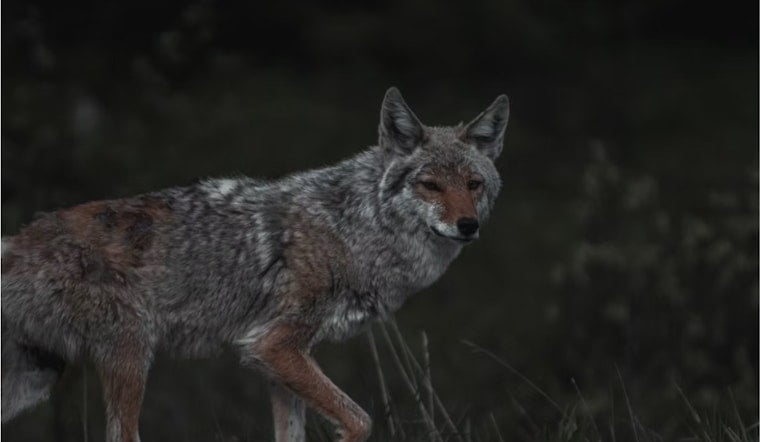
In La Jolla, coyotes are not sticking to the canyons anymore. Residents across multiple neighborhoods say the animals have followed people, chased pets and strutted straight into yards, turning quiet streets into unwelcome wildlife corridors. Neighbors have traded videos and posts of coyotes trotting down residential roads and hunting small animals, and some pet owners say they have lost cats and small dogs. The noticeable uptick has people on edge and has prompted fresh guidance from wildlife officials.
As reported by The San Diego Union-Tribune, social-media posts and neighborhood feeds show coyotes turning up in Crystal Bay, the Barber Tract and other La Jolla pockets. Security-camera footage shared online reportedly showed two coyotes hunting an opossum in the Barber Tract, and a Crystal Bay post described a coyote that leaped a 5-foot gate and killed a family cat. Other residents have described repeated pet losses and a late-May incident in Muirlands in which an aggressive coyote charged a leashed dog, retreated, then charged again.
Wildlife staff say some of what people are seeing tracks with the season. Autumn Welch, wildlife operations manager at the San Diego Humane Society, told KPBS that many reported behaviors, including escorting people away from dens and warning displays near pups, are common when young coyotes begin exploring. The San Diego Humane Society notes that coyotes generally avoid humans and recommends hazing and removing attractants to cut down on conflicts, according to San Diego Humane Society guidance.
What Neighbors Are Seeing
Welch told The San Diego Union-Tribune that coyotes sometimes “escort” people, essentially shadowing them to keep them away from dens, and that they may show warning behaviors when pups are nearby. An adult coyote may range roughly one to two miles from its den, giving it plenty of opportunity to wander into residential blocks.
Residents have also reported finding coyote scat on sidewalks and spotting animals that appeared larger than expected. One post claimed a coyote looked bigger than the poster’s 65-pound dog. Those unnerving close encounters have many neighbors tightening up pet supervision, checking fences and paying a lot more attention to what is happening in their yards after dark.
How To Protect Pets And Yards
Officials are pushing basic but effective precautions: walk dogs on a short leash, supervise pets when they are outside and bring small animals indoors at night. The San Diego Humane Society recommends not leaving food or water outdoors, and making sure trash and compost are secured in closed bins. Humane hazing, such as yelling, waving arms and making loud noises, is encouraged to convince coyotes to move along, according to San Diego Humane Society guidance.
For property fixes, experts suggest sturdy fencing and removing anything that might attract wildlife, rather than feeding or trying to habituate coyotes to human presence. The goal is to make yards boring, not welcoming.
If a coyote behaves aggressively or attacks, officials say to call 911 and report the incident to local animal-control authorities and to the California Department of Fish and Wildlife Living With Wildlife reporting system. Those reports help agencies track patterns and coordinate responses. Authorities emphasize that attacks on people are rare, but they note that small pets remain the biggest urban risk.
As La Jolla moves into summer and coyote pups get more active, neighbors say they will be watching their yards more closely and sharing sightings so others can take precautions. Wildlife officials maintain that modest changes, such as securing trash, supervising pets and using hazing when needed, can keep both residents and coyotes safer while everyone tries to share the same streets without unnecessary conflict.



