

























































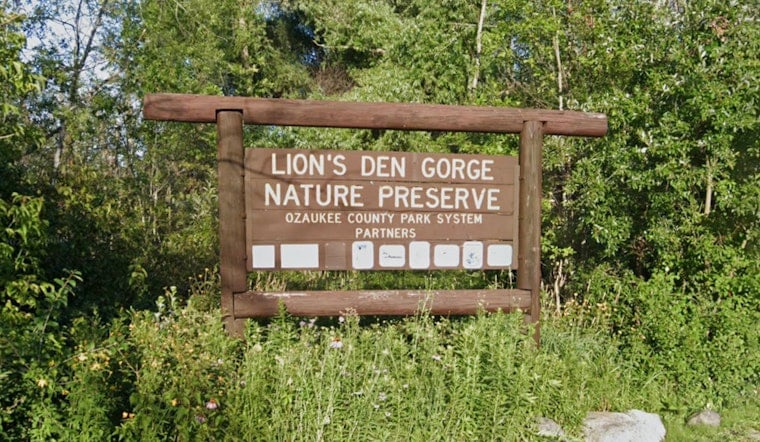
Regulars at Lion's Den Gorge Nature Preserve near Grafton say a familiar stretch of Lake Michigan shoreline they have long used to walk north toward Port Washington is suddenly off-limits. Instead of an open beach, walkers now report running into fresh "private property" and "no trespassing" signs, a rope line strung across the sand, and a trail camera aimed near the path to the water. For longtime visitors, the abrupt change has stirred up confusion and irritation over where they can legally put their feet.
Hikers, caretaker describe sudden change
Hikers including Michael Bleau say they came across the new markers and camera while following a shoreline route they have used for years. A park caretaker told FOX6 News that the rope and signs were put up by a private property owner, not by county park staff, and that officials have not yet offered a public explanation. Until something changes, Bleau says he plans to stick to a different path and steer clear of the newly marked area.
What the law says
David Strifling, an associate professor at Marquette Law School and director of the school's Water Law & Policy Initiative, told FOX6 News that the key legal question is where a walker is in relation to the ordinary high-water mark. "If you're below the ordinary high watermark and in the water, they are not trespassing," Strifling said. Marquette University lists him as director of the Water Law and Policy Initiative, a program that examines how water and shoreline laws and policies apply in situations like this.
Ordinary high-water mark matters
The Wisconsin Department of Natural Resources defines the "ordinary high water mark" as the point on the bank or shore where the presence and action of water is so regular that it leaves a clear mark. The agency notes that the state holds title to the beds of natural navigable lakes below that line. That technical boundary has real-world consequences: people who keep their feet in the water below the ordinary high-water mark are generally not trespassing, while the dry sand above that point can be subject to private control, depending on local decisions and permits. For complicated shorelines such as Lion's Den, both the DNR and local governments may play a role in deciding exactly where that line falls.
Park map shows private parcels along the shore
Ozaukee County's official trail map for Lion's Den Gorge shows several pockets labeled "Private Property" along the shoreline between the preserve's trails and the lake. Those markings help explain why hikers are now encountering posted boundaries in spots they might have treated as open beach. The county's brochure and map lay out where public parking, boardwalks and beach access meet privately owned parcels on the bluff and along the water, turning some strips of dry sand between them into potential flashpoints.
Already a test case in local courts
Similar tensions have already landed in local courtrooms. In a widely covered January case in Shorewood, a man who walked north of Atwater Beach received a trespassing citation and has signaled that he plans to appeal. That process could take years before any higher court offers a definitive ruling on how the law applies along Lake Michigan's shoreline. Coverage by Wisconsin Watch details how fluctuating water levels and older legal precedents influence who may legally use the dry sand. While judges sort it out, hikers say they are choosing not to challenge posted property lines and instead are keeping to marked trails and the wet sand at the water's edge.
For now, walkers at Lion's Den say they will reroute around the newly posted section and keep an eye out for any county guidance or legal developments. The fresh signs on this stretch of beach have quickly become the latest local flashpoint in a broader, ongoing fight over who gets to enjoy Wisconsin's Great Lakes shoreline.



