

























































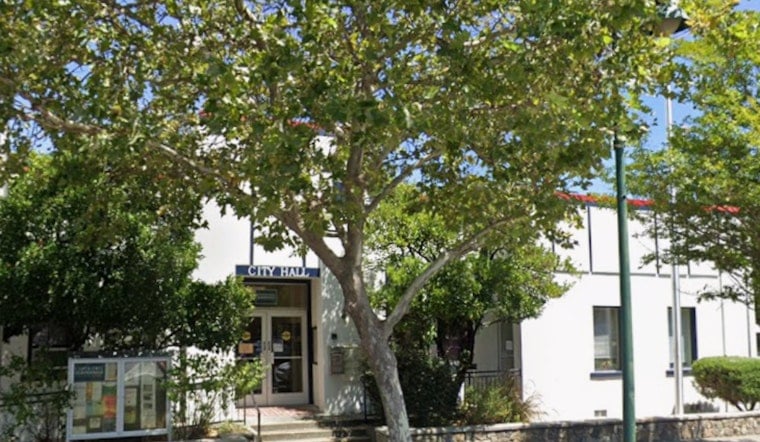
Cloverdale is scrapping its citywide, at-large council elections and shifting to single-member districts after a June council action that came with legal pressure attached. The shift, spurred by a voting-rights demand letter, will require the city to carve the town into new voting districts, hold multiple public hearings, and stagger future council contests so that some seats are first decided in 2028. Residents and local leaders say the move could reshape who speaks for Cloverdale on housing, roads, and public safety.
The change appeared in the Cloverdale City Council’s June 10 meeting packet as a proposed resolution declaring the city’s intent to transition from an at-large system to district-based elections, with a draft resolution and public-notice materials attached, according to the City of Cloverdale. The item was listed under New Business and placed on the council calendar for consideration.
Councilmembers voted to begin the transition after receiving a demand letter from Malibu attorney Kevin Shenkman alleging that Cloverdale’s at-large system dilutes Latino voting strength, according to The Press Democrat. Resident and planning commissioner Daniel Frankston told the paper it was ludicrous that Cloverdale can’t decide for itself, while Vice Mayor Todd Lands said the change felt forced and expensive for a small town. City Attorney Alex Mog warned the council that if it did not act within the 90-day window described in the letter, the city risked a potentially costly lawsuit.
The council has set five public hearings to draw district boundaries, starting with a July 22 session, and staff say they are targeting Oct. 14 for final map adoption so the new district schedule can take effect for the 2028 elections, The Press Democrat reports. The mapping process is expected to include demographic analysis and several rounds of public comment before any final ordinance is approved.
Legal Context And The Stakes
Under the California Voting Rights Act, demand letters like the one Cloverdale received have pushed many cities away from at-large systems, and resisting can carry a hefty price tag. In one of the most expensive fights, Palmdale’s drawn-out legal battle ended with roughly a $4.5 million payout to plaintiffs’ attorneys, according to the Los Angeles Times. State lawmakers, noting the strain on smaller jurisdictions, have debated carving out narrower protections: California Legislature records show Senate Bill 689 would create limited relief for certain jurisdictions with populations under 50,000.
What This Means Locally
More than 37% of Cloverdale residents identify as Hispanic or Latino, according to U.S. Census figures, a demographic detail that often features prominently in redistricting and CVRA analyses. Local reporting and community retrospectives note that Marta Cruz became the city’s first Latina councilmember after the 2018 election, and Andrés Marquez now serves on the council; the city’s roster and member bios are publicly posted by the city. Nearby Cotati and Sebastopol still elect their councilmembers at-large, according to their municipal records and public documents.
How To Weigh In
The city says it will take public testimony at each of the five hearings and will post draft maps and technical background materials on its meetings page as the process unfolds. Meetings are typically held at the Cloverdale Performing Arts Center, and officials plan to publish notice of each hearing, instructions for submitting written comments, and livestream links on the city’s agenda pages.





