

























































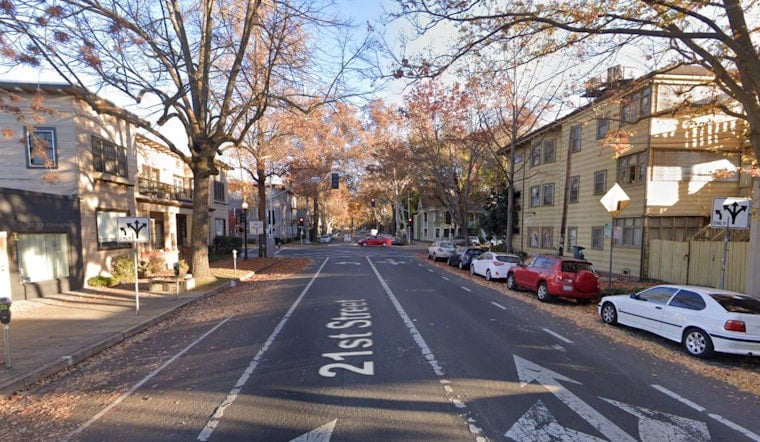
Lavender Heights, the stretch of Midtown long known as Sacramento’s gayborhood, is on the brink of getting official recognition from City Hall. City staff have drafted a proposal that would formally treat eight properties as LGBTQ landmarks and pull a dozen more into a new Lavender Heights Historic District, capturing the neighborhood’s role from the 1970s through about 2000. On paper, that means not just nightlife, but community hubs and former medical offices that quietly cared for patients during the AIDS crisis, all folded into the city’s cultural history.
Staff recently sent 20 addresses to the Sacramento Preservation Commission for review, including the building at 912 21st Street and other Midtown sites, according to The Sacramento Bee. The list breaks down into eight proposed LGBTQ landmarks and 12 candidate properties for the Lavender Heights Historic District that staff say illustrate the neighborhood’s key era. If commissioners sign off, the nominations would then move through the city’s preservation pipeline toward a vote by the City Council.
Which Sites Made The List
The draft nomination zeroes in on spots that have anchored Lavender Heights’ story for decades, from the Mercantile Saloon at 1928 L Street to Faces and The Depot near 20th and K Streets. It also highlights 910–912 21st Street, home in the late 1970s to the medical practices of Dr. Harvey Thompson and Dr. Sandy Pomerantz and later to The Open Book, as a contributing property. The report pegs the district’s period of significance roughly between 1967 and 2000 and focuses on buildings that still show a clear physical connection to that timeline, according to the City of Sacramento report.
Community Responses And Omissions
The proposal is hitting close to home for people who lived this history. Relatives of AIDS-era caregivers and longtime business owners told reporters that seeing these addresses in print feels like a safeguard against their stories vanishing. Kristin Freeman, niece of Dr. Harvey Thompson, told The Sacramento Bee she works to keep her uncle’s memory alive for her children and welcomed the city’s move to recognize his former office.
Not every familiar name in today’s Lavender Heights made the cut. City staff noted that newer venues built after 2000, such as Badlands, fall outside the period of significance and were left out of the nomination. The MARRS building did get a look at the owner’s request, but “we couldn’t find a real LGBTQ connection,” city preservation director Sean de Courcy told the Bee.
What Historic Status Would Mean
Official status as a landmark or contributing resource would trigger extra review before major changes are made to a property and could open the door to financial incentives. Sacramento runs a local Mills Act program that can lower property taxes for eligible historic sites in exchange for long-term preservation commitments, according to the City of Sacramento. Supporters, including some business owners, argue that the combination of tax breaks and recognition could help legacy storefronts stay put as Midtown keeps evolving.
Next Steps
If the Preservation Commission recommends any of the proposed listings, the nominations will advance into the Sacramento Register process, where a City Council hearing is required for local designations. Criteria for listing are spelled out in staff materials. The Page & Turnbull report and the staff packet now before commissioners outline how contributing properties were chosen and what standards the city will apply in future reviews, according to the City of Sacramento. Property owners and community members can expect more public hearings if the commission opts to send the proposal on to the council.
Context And The Work Behind The Push
The nomination caps years of research into Sacramento’s queer history, much of it carried out under the city’s LGBTQ+ Historic Experience Project, which gathered oral histories and documentation focused on Lavender Heights. Consultants and community volunteers dug through archives and recorded interviews that now underpin the district application. The upshot is a staff proposal that treats Lavender Heights as a continuous cultural landscape rather than a random scattering of plaques on isolated buildings.
Whatever the commission decides this week, the nomination has already sharpened public attention on Lavender Heights as a long-standing hub of care, services and nightlife for Sacramento’s LGBTQ community. Commissioners will debate the proposal in open session, and any recommendation they send upstairs will bring a broader discussion about how to protect the city’s queer history into the City Council chambers.



