

























































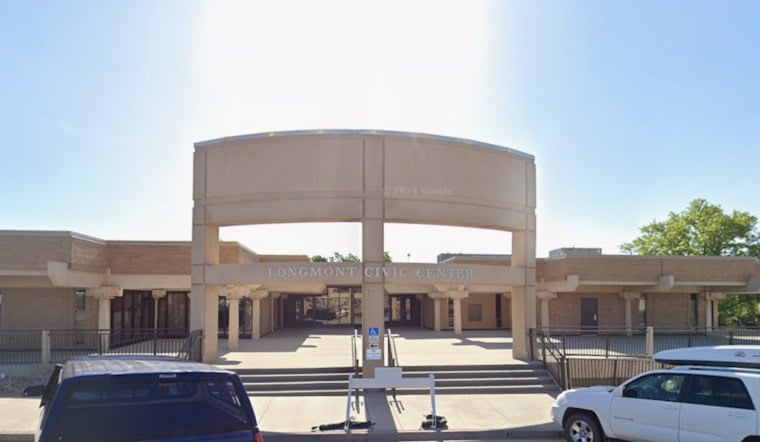
Longmont City Council voted 6-1 Tuesday night to ban hyperscale data centers inside city limits, tying any future project to the lower of 5 percent of the regional grid's capacity or a 100-megawatt cap. Supporters framed the move as a precautionary step to shield local utilities, water supplies, and neighborhoods from sprawling server campuses that have already stirred controversy elsewhere along the Front Range. The decision puts Longmont among a growing group of communities that are slowing or rewriting the rules as they juggle economic promises against infrastructure and environmental risks.
What the ordinance does
The ordinance amends Longmont's Land Development Code to define a "hyperscale" facility as any data center with a projected or contracted peak electrical demand of 100 megawatts or more, then removes that use from the list of allowed land uses in the city. Council also directed staff to craft use-specific standards for smaller, light-industrial data centers that spell out expectations on energy-efficiency metrics, water limits, cooling systems, noise, and lighting. As outlined by the City of Longmont, those forthcoming rules would apply only to facilities that fall under the 100 megawatt threshold.
Council debate and key votes
Council member Matthew Popkin, who sponsored the measure, told colleagues the goal was to set clear "guardrails" that welcome community-serving data uses while blocking megacampuses that could strain local resources. Residents who spoke during public comment zeroed in on water consumption and land loss, with one Longmont resident warning against letting large data campuses take big tracts of land out of local production. Council member Diane Crist cast the lone no vote, arguing the idea needed more study and labeling the ordinance "half-baked," according to Denver7.
Water and power worries
Opponents of hyperscale buildouts pointed to research showing that single large data campuses can consume enormous volumes of water. The Environmental and Energy Study Institute estimates some hyperscale facilities may use up to 5 million gallons per day, roughly the daily needs of a small town. City planners also noted that very large new electric loads can push regional utilities to invest in costly new generation and transmission upgrades. At the state level, lawmakers are weighing broader rules for "large-load" centers that would require reporting, renewable matching, and cost-recovery mechanisms, according to SB26-102.
Regional ripple effects
Longmont's vote lands amid a patchwork of Front Range responses. The Jefferson County Board of Commissioners has adopted a temporary moratorium on new data center development through March 2027 while it studies environmental and infrastructure impacts, according to Jefferson County. Denver City Council has also imposed a one-year pause while it assembles a task force and drafts zoning and regulatory changes, according to the Denver City Council, which is tracking the issue in its legislation file (file 26-0431). Officials in these communities say the moratoria buy time to examine water rights, wildfire interface risks, and long-term rate impacts before greenlighting large projects.
Utilities and the price of power
Utilities are sketching out their own boundaries. Xcel Energy has asked Colorado regulators to require very large customers to sign long power contracts, post financial guarantees, and pay for the grid upgrades driven by their demand, an approach detailed in a report titled Pay Up or Log Off, as per Hoodline. Proposals like these are aimed at preventing speculative data builds from sticking residential customers with the bill for big-ticket grid investments and at making sure developers cover reliability costs tied to their projects.
What comes next in Longmont
City staff will now draft detailed ordinance language and the promised use-specific standards for smaller data facilities, then bring those proposals back to council for public hearings and formal readings. The Longmont development code update notes that the council directed staff on May 5 to return with both a hyperscale ban and standards for smaller centers, but a timeline for final votes has not yet been posted, and public meetings are expected as the code edits move ahead.
For residents, the vote signals a clear preference for smaller, community-oriented computing facilities, the kind that support hospitals, emergency services, or local businesses, while closing the door on the campus-scale projects that have fueled fights over water, power, and land use up and down the Front Range.





