

























































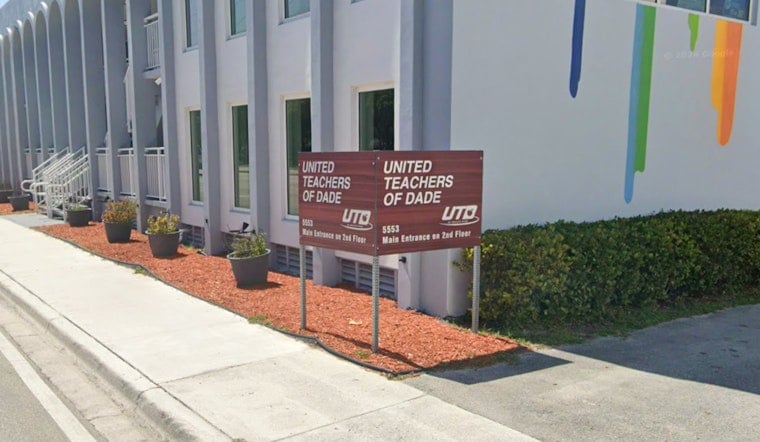
Miami-Dade’s largest teachers union is in a high-stakes scramble to keep its contract alive as a by-mail recertification vote lands in the mailboxes of thousands of school district employees. The United Teachers of Dade must get at least half of its bargaining unit to send ballots back or face decertification, union leaders warn. President Antonio White has blasted the election as "an attempt to dismantle public sector unions," arguing that opponents are betting people will simply toss the envelopes aside.
How the mail vote works
The state’s Public Employees Relations Commission runs the all-mail, secret-ballot elections and provides a sample mail packet that includes the ballot, a secrecy inner envelope and a signed control envelope that voters must return. According to the Public Employees Relations Commission, the packet lays out the signature and return rules that determine whether a ballot will be counted.
What changed in Tallahassee
Lawmakers tightened the rules for public-sector unions with SB 256, which raised the dues-paying threshold to 60% and banned automatic payroll deductions. As described by the Florida Senate, that shift forced unions to move members off payroll deduction and then re-collect authorizations from scratch. United Teachers of Dade says that reset its dues-paying membership to zero, down from about 14,400, and that annual dues are close to $988, according to reporting by the Miami Herald.
Union push and the math
UTD represents a bargaining unit of roughly 23,079 employees, about 16,588 teachers and 6,491 support professionals, which means it needs at least half of those workers to send ballots back in order to survive the vote. That turnout bar comes to roughly 11,540 returned envelopes, and union leaders say the all-mail format makes every single stamped envelope count. UTD has poured staff time and money into outreach, with the election itself estimated to cost between $30,000 and $40, split with the district, and leaders say the campaign is about both protecting the contract and preserving the union. According to the Miami Herald, officials say they are confident but are moving quickly.
What happens if turnout falls short
If UTD fails to hit the required mark and is decertified, the master contract that governs pay, benefits and workplace rules would lose its legal force, and the union would lose its authority to bargain for the unit. Reporting on earlier decertifications shows that when unions lose certification, their contracts can become unenforceable and workers lose negotiated protections. Labor advocates say that erosion of representation can ripple into staffing, recruitment and the daily operation of public agencies. See WLRN for reporting on the statewide fallout.
Legal fight ahead
Unions have launched legal challenges to the new rules, and labor lawyers say constitutional claims are likely to shape what happens long after the ballots are counted. Legal experts and policy analysts note that the laws alter longstanding assumptions about how public employees choose representation, and that courts will ultimately decide whether the changes pass constitutional muster. For more on the litigation and policy debate, see coverage from Governing.
Next dates to watch
The Public Employees Relations Commission lists UTD’s election window as May 27 through July 7 and flags the case as an all-mail election. Ballots were mailed at the start of the window, and counting is scheduled to begin July 7 in Tallahassee. The wider policy changes are also arriving fast: the Senate’s enrolled record shows SB 1296 takes effect July 1, a timing that union leaders say adds even more urgency to the mail-back push. See the commission’s schedule at the Public Employees Relations Commission and the Florida Senate's page for SB 1296 for the law's effective date.





